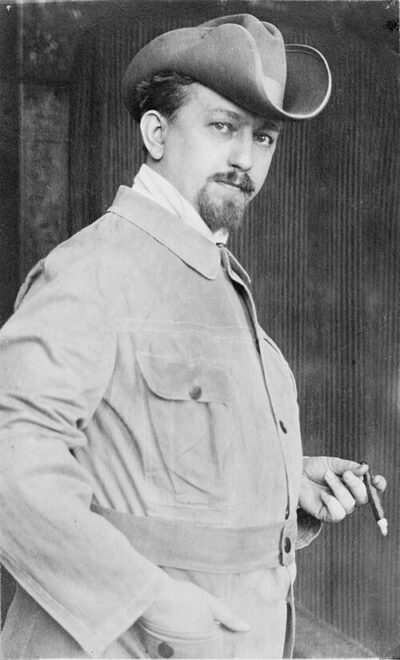
Frobenius Institute
Frobenius Institute is a German anthropology research institute. It was founded in 1925.
- Founded
- 1925
- Country
- Germany
All 9 facts, and where they come from
Facts
9 facts · 0 confirmed by two sources · 3 cited · 5 from one source · 1 where the sources disagree
What’s different
- Founded: we show 1925 (Sources disagree). Wikidata also lists 1898
Where this comes from
Papalocal keeps its own record. It started from these sources; what each one said is kept here as it was copied, so a change on their side never changes this page by itself. Tap one to read its version.
What Wikidata says · copied November 17, 2026 · revision 2539698688
- Described as
- German anthropology research institute
- Other names
- Forschungsinstitut fur Kulturmorphologie
- What it is
- research institute
- Founded
- 1898; 1925 · 1 reference
- Located in
- Frankfurt · 1 reference
- Country
- Germany
- Field
- cultural anthropology · 1 reference; research · 1 reference; higher education · 1 reference
- Named after
- Leo Frobenius
- Official website
- https://www.frobenius-institut.de/ · 1 reference
- Wikipedias with a page
- 5
Wikidata item Q1469408 (wikidata.org/wiki/Q1469408), public domain (CC0). Copied 2026-11-17.
What Wikipedia says · copied November 17, 2026 · revision 1364195579
The Frobenius Institute (Frobenius-Institut; originally: Forschungsinstitut für Kulturmorphologie) is Germany's oldest anthropological research institute. Founded in 1925, it is named after Leo Frobenius. The institution is located at Gruneburgplatz 1 in Frankfurt am Main. An autonomous organization, it is associated with the Johann Wolfgang Goethe University, and works in collaboration with two other organizations, the Institut für Ethnologie, and the Museum der Weltkulturen. It carries out ethnological and historical research.
From the Wikipedia article “Frobenius Institute” (en.wikipedia.org/wiki/Frobenius_Institute), by its contributors, under CC BY-SA 4.0 (creativecommons.org/licenses/by-sa/4.0/). Copied 2026-11-17; not changed.
Confirmed Two sources agree. Cited One source, and it names where it got it. One source One source, without a reference of its own. Sources disagree The sources disagree. We show the best-supported value and keep theirs below.
Picture: Wikimedia Commons: Frankfurt21.JPG · See Commons file page