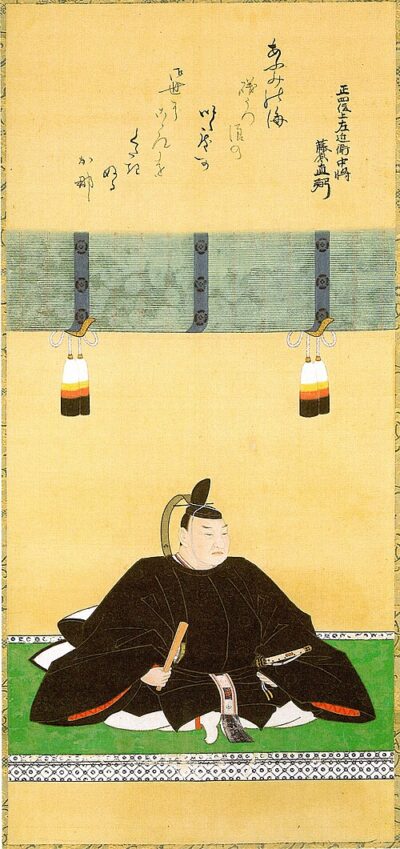
Fudai daimyo
Fudai daimyo is an in Edo-period Japan, a class of daimyōs who were hereditary vassals of the Tokugawa, many of whom were families serving the Tokugawa clan since before its rise to shogunhood; primarily occupied the ranks of the Tokugawa administration.
All 3 facts, and where they come from
Facts
3 facts · 0 confirmed by two sources · 0 cited · 3 from one source
Where this comes from
Papalocal keeps its own record. It started from these sources; what each one said is kept here as it was copied, so a change on their side never changes this page by itself. Tap one to read its version.
What Wikidata says · copied November 18, 2026 · revision 2562537444
- Described as
- in Edo-period Japan, a class of daimyōs who were hereditary vassals of the Tokugawa, many of whom were families serving the Tokugawa clan since before its rise to shogunhood; primarily occupied the ranks of the Tokugawa administration
- Other names
- Fudai
- What it is
- Kakaku
- Comes after
- Shinpan daimyo
- Followed by
- Tozama daimyo
- Wikipedias with a page
- 19
Wikidata item Q643640 (wikidata.org/wiki/Q643640), public domain (CC0). Copied 2026-11-18.
What Wikipedia says · copied November 18, 2026 · revision 1365951066
Fudai daimyō (譜代大名) was a class of daimyō (大名) in the Tokugawa Shogunate (徳川幕府) of Japan who were hereditary vassals of the Tokugawa before the Battle of Sekigahara. Fudai daimyō and their descendants filled the ranks of the Tokugawa administration in opposition to the tozama daimyō and held most of the power in Japan during the Edo period.
From the Wikipedia article “Fudai daimyō” (en.wikipedia.org/wiki/Fudai_daimyō), by its contributors, under CC BY-SA 4.0 (creativecommons.org/licenses/by-sa/4.0/). Copied 2026-11-18; not changed.
Confirmed Two sources agree. Cited One source, and it names where it got it. One source One source, without a reference of its own. Sources disagree The sources disagree. We show the best-supported value and keep theirs below.