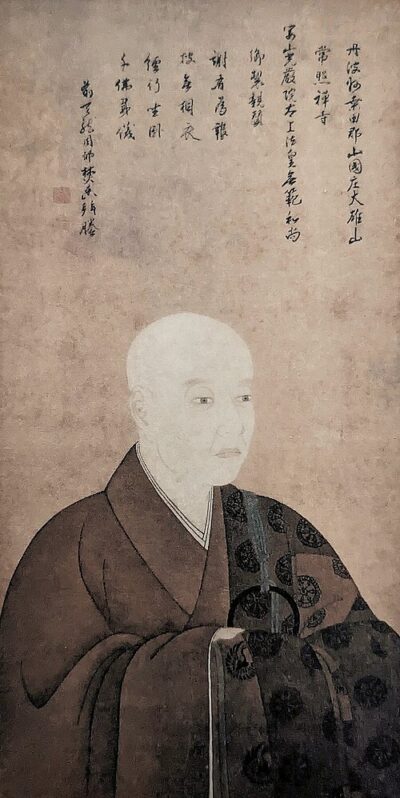
Fūga Wakashū
Fūga Wakashū is an imperial anthology of Japanese waka compiled between 1344 and 1346. It is part of Nijūichidaishū.
All 2 facts, and where they come from
Facts
2 facts · 0 confirmed by two sources · 0 cited · 2 from one source
Where this comes from
Papalocal keeps its own record. It started from these sources; what each one said is kept here as it was copied, so a change on their side never changes this page by itself. Tap one to read its version.
What Wikidata says · copied November 17, 2026 · revision 2251580311
- Described as
- imperial anthology of Japanese waka compiled between 1344 and 1346
- Other names
- Poetry Collection of Elegance, Fūgashū
- What it is
- literary work
- Part of the series
- Nijūichidaishū
- Wikipedias with a page
- 5
Wikidata item Q1143286 (wikidata.org/wiki/Q1143286), public domain (CC0). Copied 2026-11-17.
What Wikipedia says · copied November 17, 2026 · revision 1300883072
The Fūga Wakashū (風雅和歌集; "Poetry Collection of Elegance"), also abbreviated as the Fūgashū (風雅集) was an imperial anthology of Japanese waka; it was compiled somewhere between 1344 and 1346 CE, by Emperor Hanazono, who also wrote its Chinese and Japanese Prefaces. It consists of twenty volumes containing 2,210 poems. This, with the Gyokuyoshu was one of the only two Imperial anthologies to be heavily influenced or compiled by persons affiliated with the innovative Kyogoku and Reizei factions. As befits two clans descended from Fujiwara no Teika, this collection harkens back to his styles of poetry; Miner and Brower consider it to be "the last of the great collections of Court poetry."
From the Wikipedia article “Fūga Wakashū” (en.wikipedia.org/wiki/Fūga_Wakashū), by its contributors, under CC BY-SA 4.0 (creativecommons.org/licenses/by-sa/4.0/). Copied 2026-11-17; not changed.
Confirmed Two sources agree. Cited One source, and it names where it got it. One source One source, without a reference of its own. Sources disagree The sources disagree. We show the best-supported value and keep theirs below.