Fujita scale
Fujita scale is a scale for rating tornado intensity.
All 4 facts, and where they come from
Facts
4 facts · 0 confirmed by two sources · 2 cited · 2 from one source
Where this comes from
Papalocal keeps its own record. It started from these sources; what each one said is kept here as it was copied, so a change on their side never changes this page by itself. Tap one to read its version.
What Wikidata says · copied November 19, 2026 · revision 2570175243
- Described as
- scale for rating tornado intensity
- Other names
- Fujita–Pearson scale, F-Scale
- What it is
- meteorological index; hazard scale
- Named after
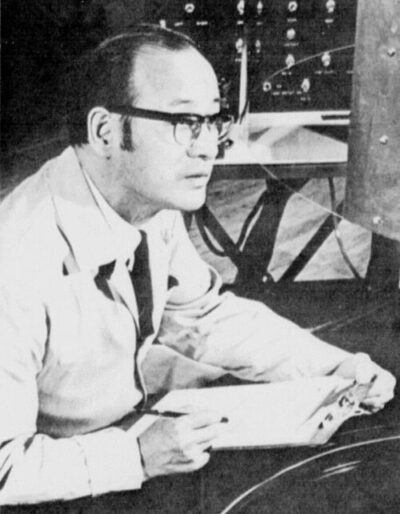
- Ted Fujita · 1 reference; Allen Pearson · 1 reference
- Wikipedias with a page
- 42
Wikidata item Q380770 (wikidata.org/wiki/Q380770), public domain (CC0). Copied 2026-11-19.
What Wikipedia says · copied November 19, 2026 · revision 1384735176
The Fujita scale (F-Scale; ), or Fujita–Pearson scale (FPP scale), was a scale for rating tornado intensity, based primarily on the damage tornadoes inflict on human-built structures and vegetation. The official Fujita scale category is determined by meteorologists and engineers after a ground or aerial damage survey, or both; and depending on the circumstances, ground-swirl patterns (cycloidal marks), weather radar data, witness testimonies, media reports and damage imagery, as well as photogrammetry or videogrammetry if motion picture recording is available. The Fujita scale, named for the meteorologist Ted Fujita, was replaced with the Enhanced Fujita scale (EF-Scale) in the United States in February 2007. In April 2013, Canada adopted the EF-Scale over the Fujita scale along with 31 "Specific Damage Indicators" used by Environment Canada (EC) in their ratings.
From the Wikipedia article “Fujita scale” (en.wikipedia.org/wiki/Fujita_scale), by its contributors, under CC BY-SA 4.0 (creativecommons.org/licenses/by-sa/4.0/). Copied 2026-11-19; not changed.
Confirmed Two sources agree. Cited One source, and it names where it got it. One source One source, without a reference of its own. Sources disagree The sources disagree. We show the best-supported value and keep theirs below.