gay liberation
Gay liberation is a state of equality for LGBT people and goal of LGBT rights movement from 1969 to 1980.
- Country
- United States
All 5 facts, and where they come from
Facts
5 facts · 0 confirmed by two sources · 1 cited · 4 from one source
Where this comes from
Papalocal keeps its own record. It started from these sources; what each one said is kept here as it was copied, so a change on their side never changes this page by itself. Tap one to read its version.
What Wikidata says · copied November 16, 2026 · revision 2556979569
- Described as
- state of equality for LGBT people and goal of LGBT rights movement from 1969 to 1980
- Other names
- gay liberation movement
- What it is
- social movement; political movement · 1 reference
- Language
- English
- Country
- United States; Canada
- Wikipedias with a page
- 25
Wikidata item Q11076311 (wikidata.org/wiki/Q11076311), public domain (CC0). Copied 2026-11-16.
What Wikipedia says · copied November 16, 2026 · revision 1385396871
The gay liberation movement was a social and political movement of the late 1960s through the mid-1980s in the Western world that urged lesbians and gay men to engage in radical direct action and to counter societal shame with gay pride. In the feminist spirit of the personal being political, the most basic form of activism was an emphasis on coming out to family, friends, and colleagues, and living life as an openly lesbian or gay person.
The Stonewall Inn in the gay village of Greenwich Village, Manhattan, New York City, was the site of the June 1969 Stonewall riots, and became the cradle of the modern LGBTQ rights movement, and the subsequent gay liberation movement. Early in the 1970s, annual political marches through major cities, (usually held in June, originally to commemorate the yearly anniversary of the events at Stonewall) were still known as "Gay Liberation" marches. Not until later in the 1970s (in urban gay centers) and well into the 1980s (in smaller communities) did the marches begin to be called "gay pride parades". The movement involved the lesbian and gay communities in North America, South America, Western Europe, Australia and New Zealand.
Gay liberation is also known for its links to the counterculture of the time (e.g. groups like the Radical Faeries) and for some gay liberationists' intent to transform or abolish fundamental institutions of society such as gender and the nuclear family. For some offsets of movement, the politics were radical, anti-racist, and anti-capitalist. In order to achieve such goals, consciousness raising and direct action were employed. While HIV/AIDS activism and awareness (in groups such as ACT UP) radicalized a new wave of lesbians and gay men in the 1980s, and radical groups have continued to exist ever since, by the early 1990s the radicalism of gay liberation was eclipsed in the mainstream by newly-out, pro-assimilationist gay men and women who stressed civil rights and mainstream politics.
The term gay liberation sometimes refers to the broader movement to end social and legal oppression against LGBTQ people. Sometimes the term gay liberation movement is even used synonymously or interchangeably with the gay rights movement. The Christopher Street Liberation Day Committee was formed in New York City to commemorate the first anniversary of the June 1969 Stonewall riots, the beginning of the international tradition of a late-June event to celebrate gay pride. The annual gay pride festivals in Berlin, Cologne, and other German cities are known as Christopher Street Days or "CSD"s.
From the Wikipedia article “Gay liberation” (en.wikipedia.org/wiki/Gay_liberation), by its contributors, under CC BY-SA 4.0 (creativecommons.org/licenses/by-sa/4.0/). Copied 2026-11-16; not changed.
Confirmed Two sources agree. Cited One source, and it names where it got it. One source One source, without a reference of its own. Sources disagree The sources disagree. We show the best-supported value and keep theirs below.
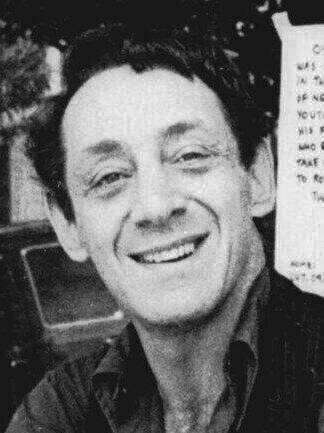
Picture: Wikimedia Commons: Nu gay lib demo 03.jpg · See Commons file page