
general practitioner
General practitioner is a medical doctor specialising as a generalist, usually working in primary care setting.
All 2 facts, and where they come from
Facts
2 facts · 0 confirmed by two sources · 0 cited · 2 from one source
Where this comes from
Papalocal keeps its own record. It started from these sources; what each one said is kept here as it was copied, so a change on their side never changes this page by itself. Tap one to read its version.
What Wikidata says · copied November 19, 2026 · revision 2567798155
- Described as
- medical doctor specialising as a generalist, usually working in primary care setting
- Other names
- GP, General Practice Doctor, family physician, family doctor, family and general practitioner, generalist medical practitioners, primary care physician
- What it is
- profession; occupation group according to ISCO-08
- Wikipedias with a page
- 47
Wikidata item Q6500773 (wikidata.org/wiki/Q6500773), public domain (CC0). Copied 2026-11-19.
What Wikipedia says · copied November 19, 2026 · revision 1386381642
A general practitioner (GP) is a doctor who practices general medicine. GPs have distinct expertise and experience in providing whole person medical care, whilst managing the complexity, uncertainty and risk associated with the continuous care they provide. By contrast with specialist physicians, GPs do not have a specific specialist area; they can diagnose and treat many different conditions, while also determining when a patient needs to see a doctor with more specialised training in a particular area. Generally, they participate more in outpatient care as opposed to inpatient care. The term primary care physician is used in the United States.
GPs work at the heart of their communities, striving to provide comprehensive and equitable care for everyone, taking into account their health care needs, stage of life and background. GPs work in, connect with and lead multidisciplinary teams that care for people and their families, respecting the context in which they live, aiming to ensure all of their physical health and mental health needs are met. They are trained to treat patients to levels of complexity that vary between countries.
A core element in general practice is continuity of care, that bridges episodes of various illnesses over time. Greater continuity with a general practitioner has been shown to reduce the need for out-of-hours services and acute hospital admittance. Continuous care by the same general practitioner has been found to reduce mortality.
The role of a GP varies between and within countries, and is often dependent on local needs and circumstances. In urban areas their roles may focus on:care of chronic/complex health conditions
treatment of urgent/acute non-life-threatening diseases
mental health care
preventive care, including health education and immunisation.
screening/early detection of disease
palliative care
care coordination/referral to allied health professions or specialised medical care
In rural areas, a GP may additionally be routinely involved in pre-hospital emergency care, the delivery of babies, community hospital care and performing low-complexity surgical procedures. GPs may work in larger primary care centers where they provide care within a multidisciplinary healthcare team, while in other cases GPs may work as sole practitioners or in smaller practices.
The term general practitioner or GP is common in the United Kingdom, Republic of Ireland, Australia, Canada, Singapore, South Africa, New Zealand and other Commonwealth countries. In these countries, the word "physician" is largely reserved for medical specialists often working in hospitals, notably in internal medicine. In North America, general practitioners are primary care physicians, a role that family doctors and internists occupy as well, though the American Academy of Family Physicians (AAFP), and the American College of Physicians (ACP) are distinct entities representing these three respective fields.
General practice is an academic and scientific discipline with its own educational content, research, evidence base and clinical activity. Historically, the role of a GP was performed by any doctor with qualifications from a medical school working in the community. However, since the 1950s, general practice has become a medical specialty with additional training requirements. The 1978 Alma Ata Declaration set the intellectual foundation of primary care and general practice.
From the Wikipedia article “General practitioner” (en.wikipedia.org/wiki/General_practitioner), by its contributors, under CC BY-SA 4.0 (creativecommons.org/licenses/by-sa/4.0/). Copied 2026-11-19; not changed.
Confirmed Two sources agree. Cited One source, and it names where it got it. One source One source, without a reference of its own. Sources disagree The sources disagree. We show the best-supported value and keep theirs below.
People connected 6
Occupation
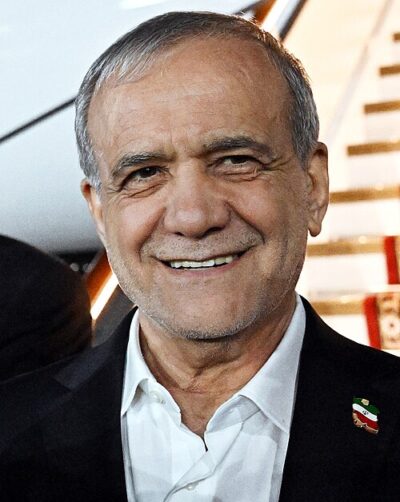 Masoud Pezeshkian (1985–1990)9th President of Iran (2024-) and former Co-Interim Supreme Leader of Iran (in 2026)
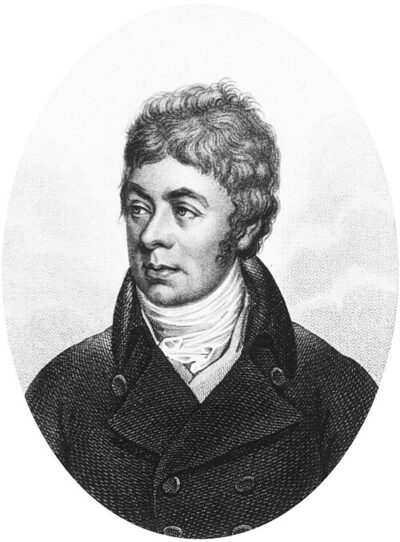 George ShawEnglish botanist and zoologist (1751–1813)
 Zanetor Agyeman-RawlingsGhanaian politician and Member of Parliament
- BBanoo Jehangir CoyajiIndian physician and public health advocate
 Michael GregerAmerican physician, author, and health activist
 Ralph AbrahamAmerican physician and congressman
