
Geoffrey Faber Memorial Prize
Geoffrey Faber Memorial Prize is a British literary award (1964-). It was created in 1963.
- Country
- United Kingdom
- Created
- 1963
All 4 facts, and where they come from
Facts
4 facts · 0 confirmed by two sources · 0 cited · 4 from one source
Where this comes from
Papalocal keeps its own record. It started from these sources; what each one said is kept here as it was copied, so a change on their side never changes this page by itself. Tap one to read its version.
What Wikidata says · copied November 17, 2026 · revision 2429838500
- Described as
- British literary award (1964-)
- Other names
- Faber Memorial Prize, Faber Prize, Geoffrey Faber Prize
- What it is
- literary award
- Created
- 1963
- Country
- United Kingdom
- Named after
- Geoffrey Faber · 1 reference
- Wikipedias with a page
- 6
Wikidata item Q924582 (wikidata.org/wiki/Q924582), public domain (CC0). Copied 2026-11-17.
What Wikipedia says · copied November 17, 2026 · revision 1315483597
The Geoffrey Faber Memorial Prize is a British literary prize established in 1963 in tribute to Geoffrey Faber, founder and first Chairman of the publisher Faber & Faber. It recognises a single volume of poetry or fiction by a United Kingdom, Irish or Commonwealth author under 40 years of age on the date of publication, and is in alternating years awarded to poetry and fiction (including short stories).
The prize is worth £1500.
The prize jury, comprising three reviewers, is selected by literary editors of journals and newspapers that regularly publish reviews of poetry and fiction.
In its first year, the prize was awarded to Christopher Middleton and George MacBeth for poetry. The first win by a short-story collection, The Quantity Theory of Insanity by Will Self, was in 1993.
From the Wikipedia article “Geoffrey Faber Memorial Prize” (en.wikipedia.org/wiki/Geoffrey_Faber_Memorial_Prize), by its contributors, under CC BY-SA 4.0 (creativecommons.org/licenses/by-sa/4.0/). Copied 2026-11-17; not changed.
Confirmed Two sources agree. Cited One source, and it names where it got it. One source One source, without a reference of its own. Sources disagree The sources disagree. We show the best-supported value and keep theirs below.
People connected 7
Won it
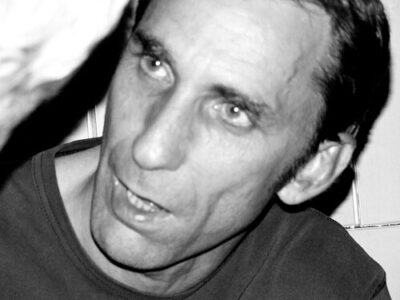 Will Self (1993)English writer and journalist (born 1961)
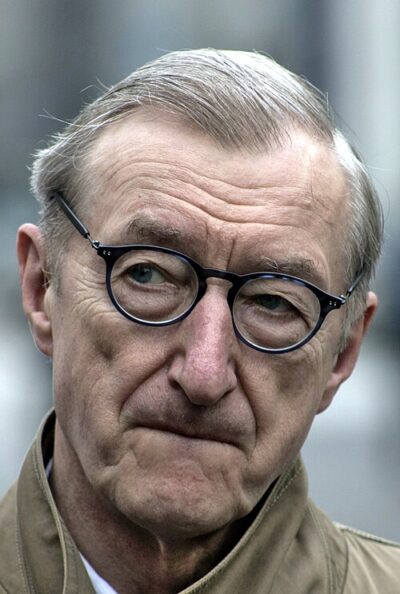 Julian Barnes (1985)English writer (born 1946)
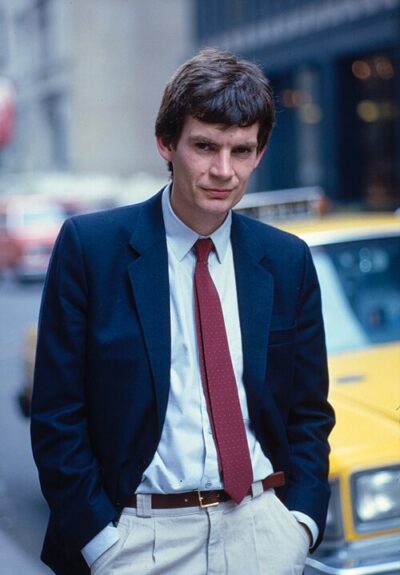 Graham Swift (1983)English writer (born 1949)
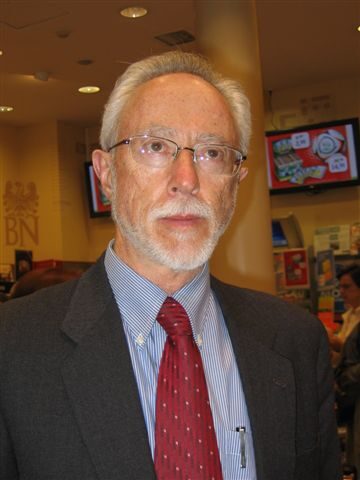 J. M. Coetzee (1981)South African and Australian writer and scholar (born 1940)
- DDavid Storey (1973)British writer (1933–2017)
- JJ. G. Farrell (1971)British writer (1935–1979)
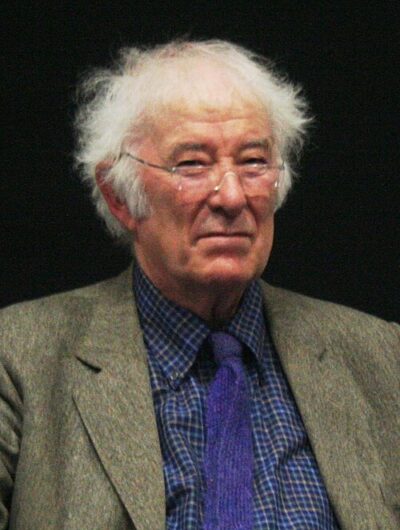 Seamus Heaney (1968)Irish poet, playwright, translator, lecturer (1939–2013)
