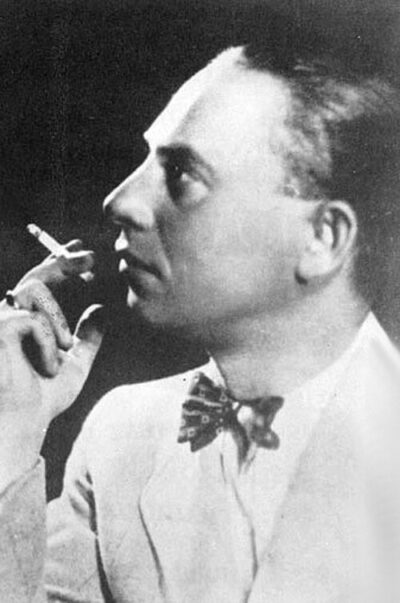
Gloomy Sunday
Gloomy Sunday is a Hungarian song. It came out in 1933. It is performed by Sarah Brightman, Pál Kalmár and Billie Holiday.
- Released
- 1933
- Performed by
- Sarah Brightman
All 8 facts, and where they come from
Facts
8 facts · 0 confirmed by two sources · 0 cited · 8 from one source
Where this comes from
Papalocal keeps its own record. It started from these sources; what each one said is kept here as it was copied, so a change on their side never changes this page by itself. Tap one to read its version.
What Wikidata says · copied November 18, 2026 · revision 2471390468
- Described as
- Hungarian song
- What it is
- musical work/composition
- Performed by
- Sarah Brightman; Pál Kalmár; Billie Holiday
- Music by
- Rezső Seress
- Released
- 1933
- Language
- Hungarian
- Named after
- Sunday
- Wikipedias with a page
- 42
Wikidata item Q747869 (wikidata.org/wiki/Q747869), public domain (CC0). Copied 2026-11-18.
What Wikipedia says · copied November 18, 2026 · revision 1382185118
"Gloomy Sunday" (Hungarian: Szomorú Vasárnap) is a song composed by Hungarian pianist and composer Rezső Seress and published in 1933.
The original lyrics were titled "Vége a világnak" ('The World Is Ending') and were about despair caused by war, ending in a quiet prayer about people's sins. Poet László Jávor wrote his own lyrics to the song, titled "Szomorú vasárnap" ('Sad Sunday'), in which the protagonist wants to kill himself after his lover ends their relationship. The latter lyrics ended up becoming more popular while the former were essentially forgotten. The song was first recorded in Hungarian by pop singer Pál Kalmár in 1935.
"Gloomy Sunday" was first recorded in English by Hal Kemp in 1936, with lyrics by Sam M. Lewis, and was recorded the same year by Paul Robeson, with lyrics by Desmond Carter. It became well known throughout much of the English-speaking world after the release of a version by jazz and swing music singer Billie Holiday in 1941. Lewis' lyrics refer to suicide, and the record label described it as the "Hungarian Suicide Song". There is a recurring urban legend which claims that many people have taken their own lives while listening to this song, particularly Hungarians.
From the Wikipedia article “Gloomy Sunday” (en.wikipedia.org/wiki/Gloomy_Sunday), by its contributors, under CC BY-SA 4.0 (creativecommons.org/licenses/by-sa/4.0/). Copied 2026-11-18; not changed.
Confirmed Two sources agree. Cited One source, and it names where it got it. One source One source, without a reference of its own. Sources disagree The sources disagree. We show the best-supported value and keep theirs below.