
Governor-General of New Zealand
Governor-General of New Zealand is a representative of the monarch of New Zealand. It was created in 1841.
- Office of
- New Zealand
- Country
- New Zealand
- Created
- May 3, 1841
All 5 facts, and where they come from
Facts
5 facts · 0 confirmed by two sources · 0 cited · 5 from one source
Where this comes from
Papalocal keeps its own record. It started from these sources; what each one said is kept here as it was copied, so a change on their side never changes this page by itself. Tap one to read its version.
What Wikidata says · copied November 17, 2026 · revision 2569176807
- Described as
- representative of the monarch of New Zealand
- What it is
- position
- Created
- May 3, 1841 · 1 reference
- Country
- New Zealand
- Office of
- New Zealand
- Official website
- http://www.gg.govt.nz
- Wikipedias with a page
- 35
Wikidata item Q455690 (wikidata.org/wiki/Q455690), public domain (CC0). Copied 2026-11-17.
What Wikipedia says · copied November 17, 2026 · revision 1386192544
The governor-general of New Zealand (Māori: Te kāwana tianara o Aotearoa) is the representative of the monarch of New Zealand, currently King Charles III. As the King is concurrently the monarch of 14 other Commonwealth realms and lives in the United Kingdom, he, on the advice of his New Zealand prime minister, appoints a governor-general to carry out his constitutional and ceremonial duties within New Zealand. The governor-general of New Zealand also serves as governor-general in relation to Niue.
Governors-general typically serve a five-year term of office, subject to a possible short extension, though they formally serve "at the monarch's pleasure". The incumbent governor-general is Dame Cindy Kiro, since 21 October 2021. Administrative support for the governor-general is provided by the Department of the Prime Minister and Cabinet. Constitutional functions include presiding over the Executive Council, appointing ministers and judges, granting royal assent to legislation, and summoning and dissolving parliament. These functions are generally exercised only according to the advice of an elected government. The governor-general also has important ceremonial roles: hosting events at Government House in Wellington, and travelling throughout New Zealand to open conferences, attend services and commemorations, and generally provide encouragement to individuals and groups who are contributing to their communities.
The current office traces its origins to when the administration of New Zealand was placed under the Colony of New South Wales in 1839 and its governor was given jurisdiction over New Zealand. New Zealand would become its own colony the next year with its own governor. The modern title and functions of the "governor-general" came into being in 1917, and the office is currently mandated by Letters Patent issued in 1983, constituting "the Governor-General and Commander-in-Chief of the Realm of New Zealand". The governor initially represented the British monarch and the British government. Therefore, many past officeholders were from the United Kingdom, including a succession of minor aristocrats from the 1890s onwards. In a gradual process, especially with the adoption of the Statute of Westminster in 1947, the governor-general has become the independent, personal representative of the New Zealand monarch. In 1972, Sir Denis Blundell became the first New Zealand resident to be appointed to the office. When travelling abroad, particularly more frequently since the late 20th century, the governor-general is seen as the national representative of New Zealand; for this reason, the governor-general has been described by academics and politicians as the de facto head of state, though the Constitution Act 1986 explicitly identifies the monarch as New Zealand's head of state.
From the Wikipedia article “Governor-General of New Zealand” (en.wikipedia.org/wiki/Governor-General_of_New_Zealand), by its contributors, under CC BY-SA 4.0 (creativecommons.org/licenses/by-sa/4.0/). Copied 2026-11-17; not changed.
Confirmed Two sources agree. Cited One source, and it names where it got it. One source One source, without a reference of its own. Sources disagree The sources disagree. We show the best-supported value and keep theirs below.
People connected 13
Held this office
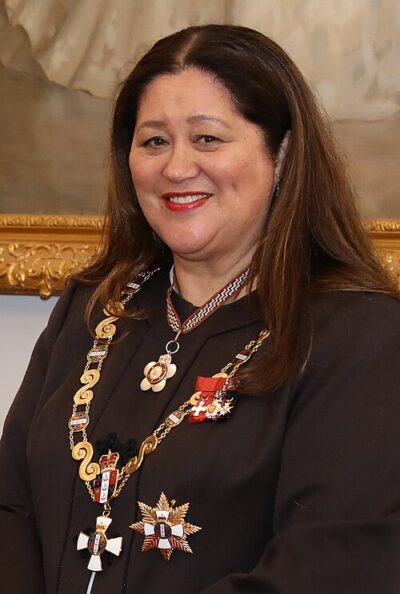 Cindy Kiro (2021–)New Zealand Governor-General, former academic and social justice advocate
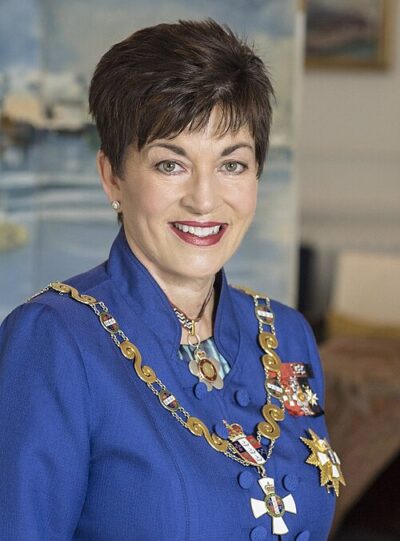 Patsy Reddy (2016–2021)governor-general of New Zealand from 2016 to 2021
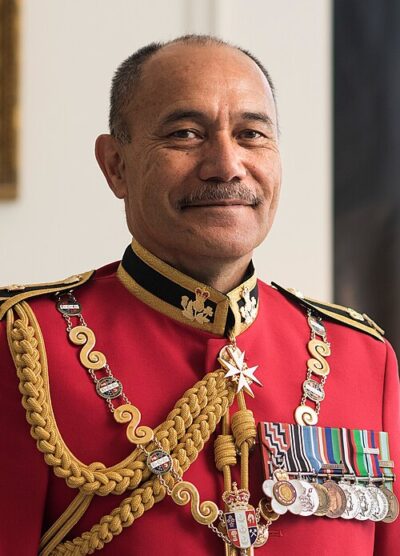 Jerry Mateparae (2011–2016)Governor-General of New Zealand
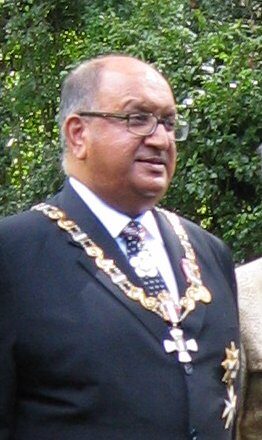 Anand Satyanand (2006–2011)19th Governor General of New Zealand
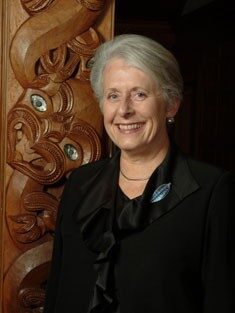 Silvia Cartwright (2001–2006)New Zealand viceroy, jurist
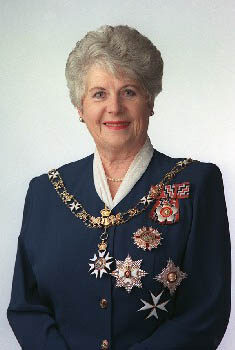 Catherine Tizard (1990–1996)New Zealand viceroy, academic, public administrator (1931–2021)
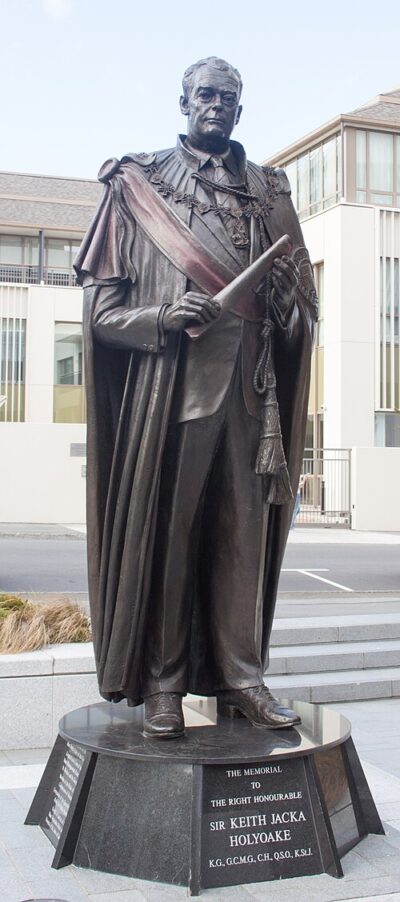 Keith Holyoake (1977–1980)Viceroy, Prime Minister of New Zealand, politician (1904-1983)
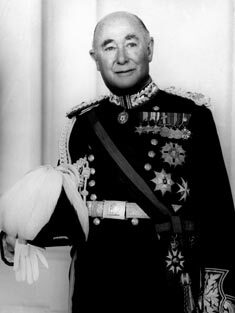 Arthur Porritt, Baron Porritt (1967–1972)New Zealand viceroy, physician, athlete (1900-1994)
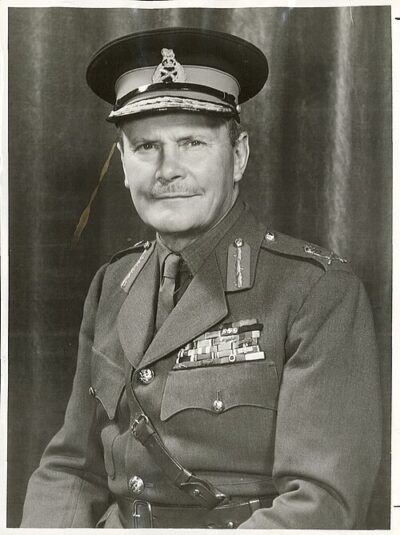 Bernard Freyberg, 1st Baron Freyberg (1946–1952)military leader, viceroy, Victoria Cross (1889-1963)
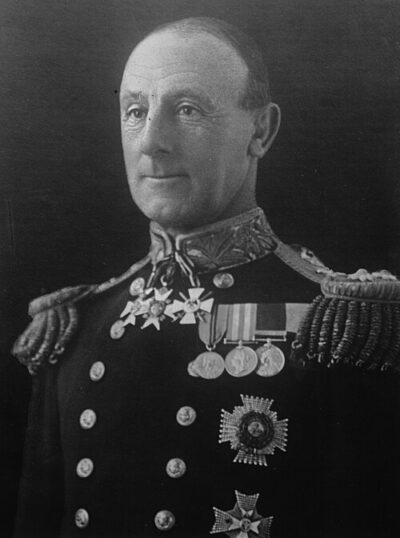 John Jellicoe, 1st Earl Jellicoe (1920–1924)Royal Navy officer (1859-1935)
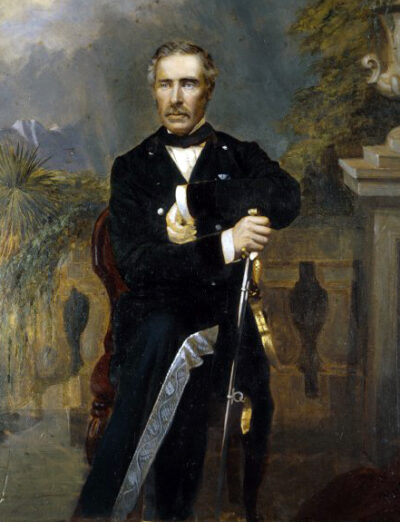 George Grey (1845–1868)British soldier, explorer, colonial administrator and writer (1812–1898)
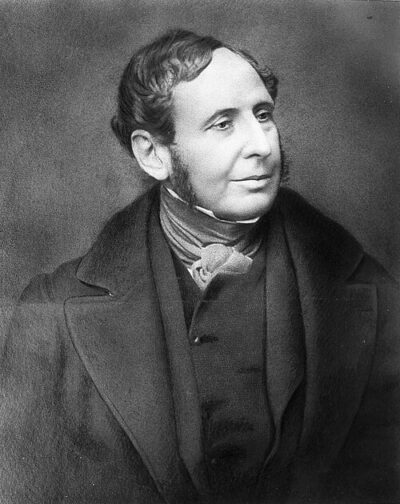 Robert Fitzroy (1843–1845)Royal Navy officer and scientist (1805–1865)
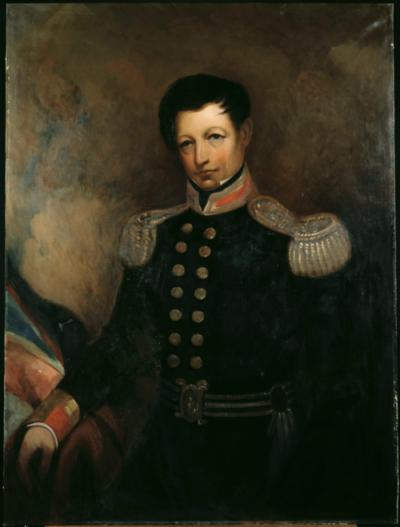 William Hobson (1841–1842)first Governor of New Zealand and co-author of the Treaty of Waitangi (1792-1842)
