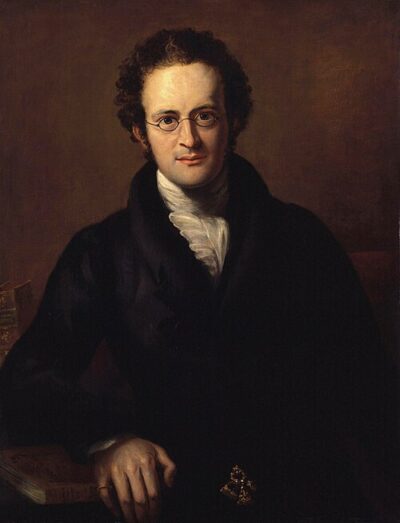
Governor of Hong Kong
Governor of Hong Kong is a head of the Hong Kong Government during British rule. It was created in 1843. It is an office of British Hong Kong.
- Office of
- British Hong Kong
- Country
- United Kingdom
- Created
- June 26, 1843
All 6 facts, and where they come from
Facts
6 facts · 0 confirmed by two sources · 0 cited · 6 from one source
Where this comes from
Papalocal keeps its own record. It started from these sources; what each one said is kept here as it was copied, so a change on their side never changes this page by itself. Tap one to read its version.
What Wikidata says · copied November 17, 2026 · revision 2569307382
- Described as
- head of the Hong Kong Government during British rule
- What it is
- position
- Created
- June 26, 1843
- Ended
- June 30, 1997
- Located in
- British Hong Kong
- Country
- United Kingdom
- Office of
- British Hong Kong · 1 reference
- Wikipedias with a page
- 27
Wikidata item Q1159846 (wikidata.org/wiki/Q1159846), public domain (CC0). Copied 2026-11-17.
What Wikipedia says · copied November 17, 2026 · revision 1377776676
The governor of Hong Kong was the representative of the British Crown in Hong Kong from 1843 to 1997. In this capacity, the governor was president of the Executive Council and commander-in-chief of the British Forces Overseas Hong Kong. The governor's roles were defined in the Hong Kong Letters Patent and Royal Instructions. Upon the end of British rule and the handover of Hong Kong to China in 1997, most of the civil functions of this office went to the chief executive of Hong Kong, and military functions went to the commander of the People's Liberation Army Hong Kong Garrison.
From the Wikipedia article “Governor of Hong Kong” (en.wikipedia.org/wiki/Governor_of_Hong_Kong), by its contributors, under CC BY-SA 4.0 (creativecommons.org/licenses/by-sa/4.0/). Copied 2026-11-17; not changed.
Confirmed Two sources agree. Cited One source, and it names where it got it. One source One source, without a reference of its own. Sources disagree The sources disagree. We show the best-supported value and keep theirs below.