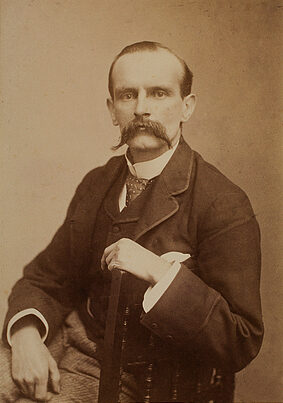
Governor of Northern Nigeria
Governor of Northern Nigeria is an office of the Governing body of the northern-region of Nigeria. It was created in 1897.
- Country
- United Kingdom
- Created
- January 1, 1897
All 3 facts, and where they come from
Facts
3 facts · 0 confirmed by two sources · 0 cited · 3 from one source
Where this comes from
Papalocal keeps its own record. It started from these sources; what each one said is kept here as it was copied, so a change on their side never changes this page by itself. Tap one to read its version.
What Wikidata says · copied November 17, 2026 · revision 2556195647
- Described as
- office of the Governing body of the northern-region of Nigeria
- Other names
- High Commissioner of Northern Nigeria
- What it is
- position
- Created
- January 1, 1897 · 1 reference
- Country
- United Kingdom · 1 reference
- Wikipedias with a page
- 3
Wikidata item Q17076957 (wikidata.org/wiki/Q17076957), public domain (CC0). Copied 2026-11-17.
What Wikipedia says · copied November 17, 2026 · revision 1373667054
The High Commissioner or Governor of Northern Nigeria, originally the High Commissioner of the Northern Nigeria Protectorate, after 1914 the Lieutenant Governor, Chief Commissioner, or Governor General of the Northern Provinces of Nigeria, was effectively the viceroy of Northern Nigeria, exercising British suzerainty as representative of the Crown. The office of High Commissioner was first established on 1 January 1897, by letters patent from Queen Victoria, and after the departure of the British in 1960 it was continued until 1967 as representative of the new administration in Lagos.
With effect from 27 May 1967, Northern Nigeria was divided into the North-Eastern State, North-Western State, Kano State, Kaduna State, Kwara State, and the Benue-Plateau State, each with its own Governor.
From the Wikipedia article “Governor of Northern Nigeria” (en.wikipedia.org/wiki/Governor_of_Northern_Nigeria), by its contributors, under CC BY-SA 4.0 (creativecommons.org/licenses/by-sa/4.0/). Copied 2026-11-17; not changed.
Confirmed Two sources agree. Cited One source, and it names where it got it. One source One source, without a reference of its own. Sources disagree The sources disagree. We show the best-supported value and keep theirs below.
Picture: Wikimedia Commons: Ng)nng.gif · See Commons file page