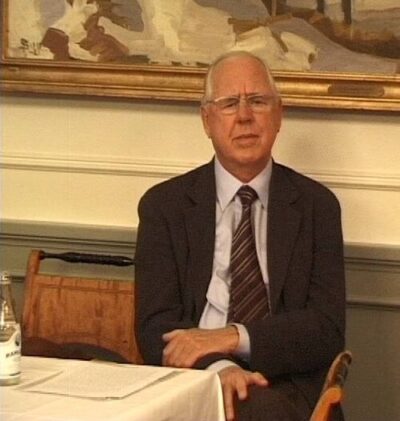
Grand Prize of the Danish Academy
Grand Prize of the Danish Academy is a Danish literary award. It was created in 1961.
- Given by
- Danish Academy
- Country
- Denmark
- Created
- 1961
All 5 facts, and where they come from
Facts
5 facts · 0 confirmed by two sources · 0 cited · 5 from one source
Where this comes from
Papalocal keeps its own record. It started from these sources; what each one said is kept here as it was copied, so a change on their side never changes this page by itself. Tap one to read its version.
What Wikidata says · copied November 17, 2026 · revision 2502376322
- Described as
- Danish literary award
- What it is
- literary award
- Created
- 1961 · 1 reference
- Country
- Denmark
- Given by
- Danish Academy
- Official website
- https://www.danskeakademi.dk/priser/den-store-pris/
- Wikipedias with a page
- 8
Wikidata item Q1711496 (wikidata.org/wiki/Q1711496), public domain (CC0). Copied 2026-11-17.
What Wikipedia says · copied November 17, 2026 · revision 1344417400
The Grand Prize of the Danish Academy, founded in 1961, is the most notable of Denmark's literature prizes and awards. It is awarded by the Danish Academy. Until 1982, it was handed yearly, but since then it has been given every second year. The first years the prize was 50.000 DKK. In 1982 the Cultural Ministry of Denmark increased the prize to 100.000 DKK. From 1992 to 1997 it was 200.000 DKK, in 1998 it was 250.000 DKK and since 2000 it has been 300.000 DKK. The prize is a recognition of a writers work as a whole and not only for one book.
From the Wikipedia article “Grand Prize of the Danish Academy” (en.wikipedia.org/wiki/Grand_Prize_of_the_Danish_Academy), by its contributors, under CC BY-SA 4.0 (creativecommons.org/licenses/by-sa/4.0/). Copied 2026-11-17; not changed.
Confirmed Two sources agree. Cited One source, and it names where it got it. One source One source, without a reference of its own. Sources disagree The sources disagree. We show the best-supported value and keep theirs below.