Gukanshō
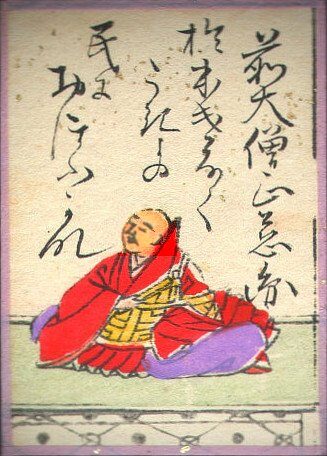
Gukanshō is a historical work composed by Japanese Buddhist priest Jien. It came out in 1220.
- Published
- 1220
- Came out
- 1220
- Written by
- Jien
- Genre
- history book
- Country of origin
- Kamakura shogunate
All 7 facts, and where they come from
Facts
7 facts · 0 confirmed by two sources · 0 cited · 7 from one source
Where this comes from
Papalocal keeps its own record. It started from these sources; what each one said is kept here as it was copied, so a change on their side never changes this page by itself. Tap one to read its version.
What Wikidata says · copied November 18, 2026 · revision 2550191083
- Described as
- historical work composed by Japanese Buddhist priest Jien
- What it is
- literary work
- Written by
- Jien
- Genre
- history book
- Published
- 1220
- Language
- Late Middle Japanese
- Country of origin
- Kamakura shogunate
- Came out
- 1220
- Wikipedias with a page
- 16
Wikidata item Q1368208 (wikidata.org/wiki/Q1368208), public domain (CC0). Copied 2026-11-18.
What Wikipedia says · copied November 18, 2026 · revision 1335418443
Gukanshō (愚管抄; lit. "Jottings of a Fool") is a historical and literary work about the history of Japan. Seven volumes in length, it was composed by Buddhist priest Jien of the Tendai sect around 1220.
Political problems arising from the relations between the Imperial government and the bakufu inspired Jien to write. Jien was the son of Fujiwara no Tadamichi, and his insider's perspective ensured that his work would have a distinct point of view. Rather than working towards an absence of bias, he embraced it; and Gukanshō is fairly described as a work of historical argument. The writer does try to approach Japan's past in a new way, but he does so under the influences of old historical and genealogical interests.
From the Wikipedia article “Gukanshō” (en.wikipedia.org/wiki/Gukanshō), by its contributors, under CC BY-SA 4.0 (creativecommons.org/licenses/by-sa/4.0/). Copied 2026-11-18; not changed.
Confirmed Two sources agree. Cited One source, and it names where it got it. One source One source, without a reference of its own. Sources disagree The sources disagree. We show the best-supported value and keep theirs below.