Harp Concerto
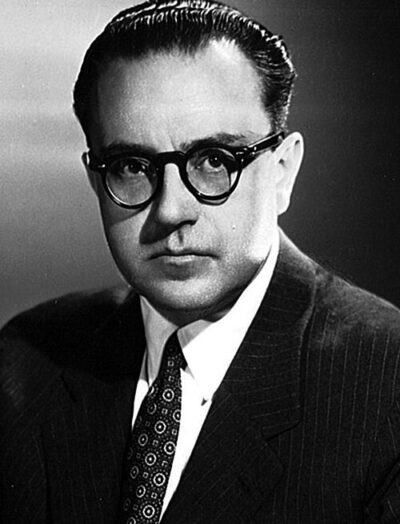
Harp Concerto is a Composition of Alberto Ginastera.
All 3 facts, and where they come from
Facts
3 facts · 0 confirmed by two sources · 0 cited · 3 from one source
Where this comes from
Papalocal keeps its own record. It started from these sources; what each one said is kept here as it was copied, so a change on their side never changes this page by itself. Tap one to read its version.
What Wikidata says · copied November 17, 2026 · revision 2569551913
- Described as
- Composition of Alberto Ginastera
- What it is
- harp concerto; musical work/composition
- Music by
- Alberto Ginastera
- Wikipedias with a page
- 7
Wikidata item Q1845547 (wikidata.org/wiki/Q1845547), public domain (CC0). Copied 2026-11-17.
What Wikipedia says · copied November 17, 2026 · revision 1385713372
The Harp Concerto by Alberto Ginastera was composed in 1956 and first performed in 1965. The concerto was commissioned by Edna Phillips, the harpist of the Philadelphia Orchestra. Phillips had retired by the time the work was ready to be premiered, so the solo part was played by the Spanish harpist Nicanor Zabaleta with the Philadelphia Orchestra, conducted by Eugene Ormandy.
Harpist Heidi Lehwalder began performing the concerto by the 1970s and performed it with nearly every professional orchestra in the United States, sometimes more than once and sometimes several times. She established it as standard repertoire, almost de rigueur for aspiring soloists. By 1985, it was the most-performed work by Ginastera, making him one of the top earners for its publisher, Boosey & Hawkes.
2016, the centenary of the composer's birth, saw a number of performances including one by the French harpist Marie-Pierre Langlamet and the Berlin Philharmonic conducted by Juanjo Mena.
From the Wikipedia article “Harp Concerto (Ginastera)” (en.wikipedia.org/wiki/Harp_Concerto_(Ginastera)), by its contributors, under CC BY-SA 4.0 (creativecommons.org/licenses/by-sa/4.0/). Copied 2026-11-17; not changed.
Confirmed Two sources agree. Cited One source, and it names where it got it. One source One source, without a reference of its own. Sources disagree The sources disagree. We show the best-supported value and keep theirs below.