Hershey–Chase experiment
Hershey–Chase experiment is an experiment.
All 1 facts, and where they come from
Facts
1 facts · 0 confirmed by two sources · 0 cited · 1 from one source
Where this comes from
Papalocal keeps its own record. It started from these sources; what each one said is kept here as it was copied, so a change on their side never changes this page by itself. Tap one to read its version.
What Wikidata says · copied November 17, 2026 · revision 2558063584
- Described as
- experiment
- Other names
- Hershey-Chase experiment
- What it is
- experiment
- Wikipedias with a page
- 45
Wikidata item Q152561 (wikidata.org/wiki/Q152561), public domain (CC0). Copied 2026-11-17.
What Wikipedia says · copied November 17, 2026 · revision 1368337364
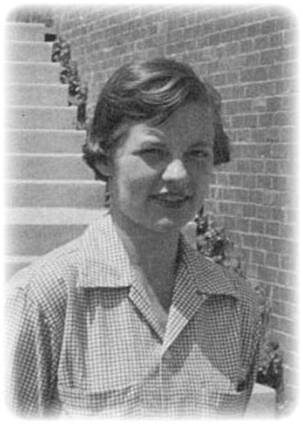
The Hershey–Chase experiments, also called the Blender experiment, were a series of experiments conducted in 1952 by Alfred Hershey and Martha Chase that helped to confirm that DNA is genetic material.
While DNA had been known to biologists since 1869, many scientists still assumed at the time that proteins carried the information for inheritance because DNA appeared to be an inert molecule, and, since it is located in the nucleus, its role was considered to be phosphorus storage. In their experiments, Hershey and Chase showed that when bacteriophages, which are composed of DNA and protein, infect bacteria, their DNA enters the host bacterial cell, but most of their protein does not. Hershey and Chase and subsequent discoveries all served to prove that DNA is the hereditary material.
Hershey shared the 1969 Nobel Prize in Physiology or Medicine with Max Delbrück and Salvador Luria for their "discoveries concerning the genetic structure of viruses".
From the Wikipedia article “Hershey–Chase experiment” (en.wikipedia.org/wiki/Hershey–Chase_experiment), by its contributors, under CC BY-SA 4.0 (creativecommons.org/licenses/by-sa/4.0/). Copied 2026-11-17; not changed.
Confirmed Two sources agree. Cited One source, and it names where it got it. One source One source, without a reference of its own. Sources disagree The sources disagree. We show the best-supported value and keep theirs below.