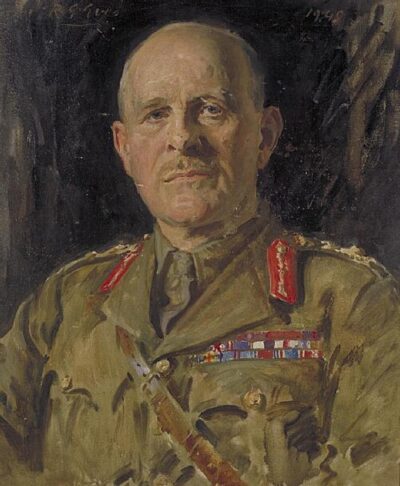
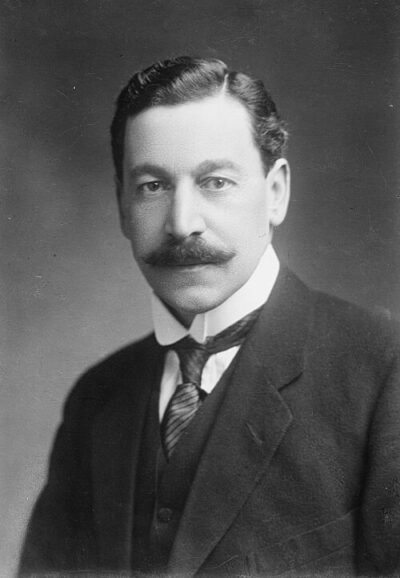
High Commissioner for Palestine and Transjordan
High Commissioner for Palestine and Transjordan is a public authority. It was created in 1920.
- Country
- British Empire
- Created
- July 1, 1920
All 6 facts, and where they come from
Facts
6 facts · 0 confirmed by two sources · 0 cited · 6 from one source
Where this comes from
Papalocal keeps its own record. It started from these sources; what each one said is kept here as it was copied, so a change on their side never changes this page by itself. Tap one to read its version.
What Wikidata says · copied November 17, 2026 · revision 2528805880
- Described as
- public authority
- What it is
- position; government agency; organ of state
- Created
- July 1, 1920
- Located in
- Mandatory Palestine
- Country
- British Empire
- Wikipedias with a page
- 14
Wikidata item Q16056327 (wikidata.org/wiki/Q16056327), public domain (CC0). Copied 2026-11-17.
What Wikipedia says · copied November 17, 2026 · revision 1383225886
The high commissioner for Palestine was the highest ranking authority representing the United Kingdom in the mandated territories of Palestine, and the high commissioner for Transjordan was the highest ranking authority representing the United Kingdom in Transjordan. These posts were always held simultaneously by a single individual after the high commissioner for Transjordan was established in 1928. They were based in Jerusalem. The office commenced on 1 July 1920, before the commencement of the Mandate on 29 September 1923, and replaced the British military occupation under the Occupied Enemy Territory Administration, which had operated in Palestine in 1917–1918. The office ceased with the expiration of the Mandate on 15 May 1948.
From the Wikipedia article “List of high commissioners for Palestine and Transjordan” (en.wikipedia.org/wiki/List_of_high_commissioners_for_Palestine_and_Transjordan), by its contributors, under CC BY-SA 4.0 (creativecommons.org/licenses/by-sa/4.0/). Copied 2026-11-17; not changed.
Confirmed Two sources agree. Cited One source, and it names where it got it. One source One source, without a reference of its own. Sources disagree The sources disagree. We show the best-supported value and keep theirs below.