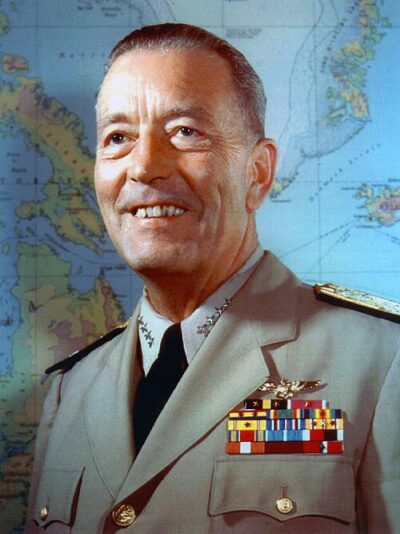
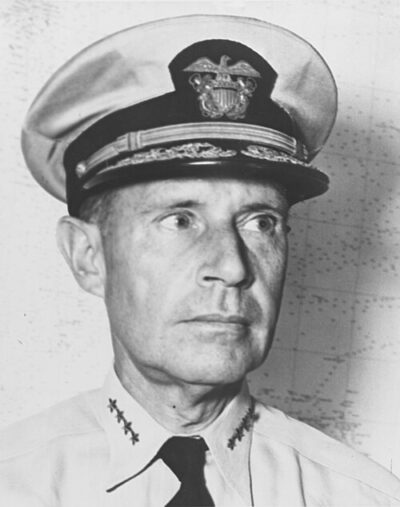
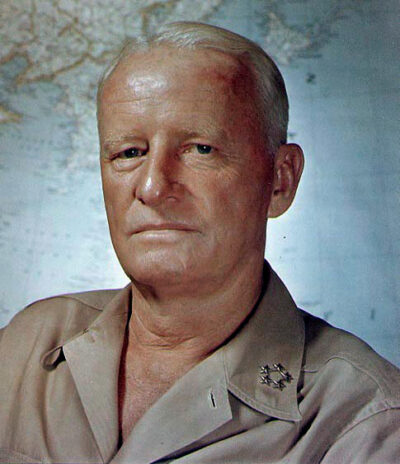
High Commissioner of the Trust Territory of the Pacific Islands
The High Commissioner of the Trust Territory of the Pacific Islands is an US administrative office (1947–1994).
- Office of
- Trust Territory of the Pacific Islands
- Created
- 1947
All 3 facts, and where they come from
Facts
3 facts · 0 confirmed by two sources · 0 cited · 3 from one source
Where this comes from
Papalocal keeps its own record. It started from these sources; what each one said is kept here as it was copied, so a change on their side never changes this page by itself. Tap one to read its version.
What Wikidata says · copied November 16, 2026 · revision 2569778806
- Described as
- US administrative office (1947–1994)
- What it is
- position
- Created
- 1947
- Office of
- Trust Territory of the Pacific Islands
- Wikipedias with a page
- 4
Wikidata item Q3128423 (wikidata.org/wiki/Q3128423), public domain (CC0). Copied 2026-11-16.
What Wikipedia says · copied November 16, 2026 · revision 1383395003
The High Commissioner of the Trust Territory of the Pacific Islands was an official who administered the Trust Territory of the Pacific Islands (TTPI), a United Nations trusteeship in the Pacific Ocean under the administration of the United States, between 1947 and 1994. The territory consisted of islands captured by America during World War II, prior to which they had been part of the Empire of Japan as the South Seas Mandate, within the Japanese colonial empire. After World War II, United Nations Security Council Resolution 21 placed the territory under the United States trusteeship as the Trust Territory of the Pacific Islands. The islands are now part of Palau, the Northern Mariana Islands, the Federated States of Micronesia, and the Republic of the Marshall Islands.
From the Wikipedia article “High Commissioner of the Trust Territory of the Pacific Islands” (en.wikipedia.org/wiki/High_Commissioner_of_the_Trust_Territory_of_the_Pacific_Islands), by its contributors, under CC BY-SA 4.0 (creativecommons.org/licenses/by-sa/4.0/). Copied 2026-11-16; not changed.
Confirmed Two sources agree. Cited One source, and it names where it got it. One source One source, without a reference of its own. Sources disagree The sources disagree. We show the best-supported value and keep theirs below.