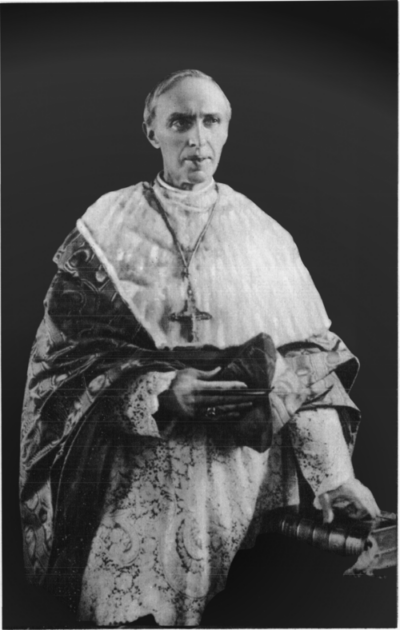
Higher Institute of Philosophy
The Higher Institute of Philosophy is an Institute founded in 1889, part of the University of Louvain (UCLouvain). It was founded in 1977 by Désiré Mercier.
All 8 facts, and where they come from
Facts
8 facts · 0 confirmed by two sources · 1 cited · 6 from one source · 1 where the sources disagree
What’s different
- Founded: we show 1977 (Sources disagree). Wikidata also lists 1889
Where this comes from
Papalocal keeps its own record. It started from these sources; what each one said is kept here as it was copied, so a change on their side never changes this page by itself. Tap one to read its version.
What Wikidata says · copied November 18, 2026 · revision 2534658893
- Described as
- Institute founded in 1889, part of the University of Louvain (UCLouvain)
- Other names
- Institut supérieur de philosophie, ISP
- What it is
- school; institute; organization · 1 reference
- Founded
- 1889; 1977 · 1 reference
- Founded by
- Désiré Mercier
- Located in
- Leuven (1889–1978)
- Country
- Belgium
- Official website
- http://uclouvain.be/isp
- Wikipedias with a page
- 3
Wikidata item Q2278047 (wikidata.org/wiki/Q2278047), public domain (CC0). Copied 2026-11-18.
What Wikipedia says · copied November 18, 2026 · revision 1384793830
The Institut supérieur de Philosophie (ISP) (French for: Higher Institute of Philosophy) is an independent research institute at the University of Louvain (UCLouvain) in Louvain-la-Neuve, Belgium. It is a separate entity to the UCLouvain School of Philosophy.
It was founded in Louvain (Leuven) in 1889 and split in 1968, when the French-speaking part moved to Louvain-la-Neuve.
The institute holds the archives of Edmund Husserl, Jean Ladrière, Michel Henry and Maurice Blondel.
From the Wikipedia article “Higher Institute of Philosophy” (en.wikipedia.org/wiki/Higher_Institute_of_Philosophy), by its contributors, under CC BY-SA 4.0 (creativecommons.org/licenses/by-sa/4.0/). Copied 2026-11-18; not changed.
Confirmed Two sources agree. Cited One source, and it names where it got it. One source One source, without a reference of its own. Sources disagree The sources disagree. We show the best-supported value and keep theirs below.
Picture: Wikimedia Commons: Institut supérieur de philosophie à l'UCLouvain.png · See Commons file page