Hoboken-Verzeichnis
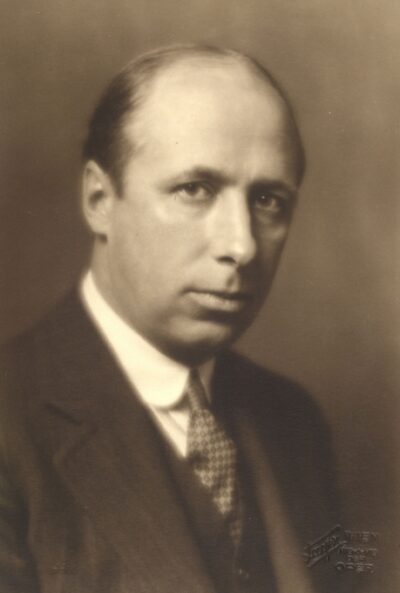
Hoboken-Verzeichnis is a catalogue of Joseph Haydn's music. It came out in 1957. It was written by Anthony van Hoboken.
- Released
- 1957
- Written by
- Anthony van Hoboken
- Genre
- music catalog
All 5 facts, and where they come from
Facts
5 facts · 0 confirmed by two sources · 0 cited · 5 from one source
Where this comes from
Papalocal keeps its own record. It started from these sources; what each one said is kept here as it was copied, so a change on their side never changes this page by itself. Tap one to read its version.
What Wikidata says · copied November 18, 2026 · revision 2496139779
- Described as
- catalogue of Joseph Haydn's music
- Other names
- Hob, Hob., Hoboken catalogue
- What it is
- catalogue of classical compositions
- Written by
- Anthony van Hoboken
- Genre
- music catalog
- Released
- 1957
- Named after
- Anthony van Hoboken
- Wikipedias with a page
- 21
Wikidata item Q739093 (wikidata.org/wiki/Q739093), public domain (CC0). Copied 2026-11-18.
What Wikipedia says · copied November 18, 2026 · revision 1366402208
The Hoboken catalogue is a catalogue of the musical compositions by Joseph Haydn compiled by Anthony van Hoboken. It is intended to cover the composer's entire oeuvre and includes over 750 entries. Its full title in the original German is Joseph Haydn, Thematisch-bibliographisches Werkverzeichnis ("Joseph Haydn, thematic-bibliographic catalogue of works"). The Haydn catalogue that now bears Hoboken's name was begun in card format in 1934; work continued until the publication of the third and final book volume in 1978.
Works by Haydn are often indicated using their Hoboken catalogue number, typically in the format "Violin Concerto No. 1 in C major, Hob. VIIa:1".
From the Wikipedia article “Hoboken catalogue” (en.wikipedia.org/wiki/Hoboken_catalogue), by its contributors, under CC BY-SA 4.0 (creativecommons.org/licenses/by-sa/4.0/). Copied 2026-11-18; not changed.
Confirmed Two sources agree. Cited One source, and it names where it got it. One source One source, without a reference of its own. Sources disagree The sources disagree. We show the best-supported value and keep theirs below.