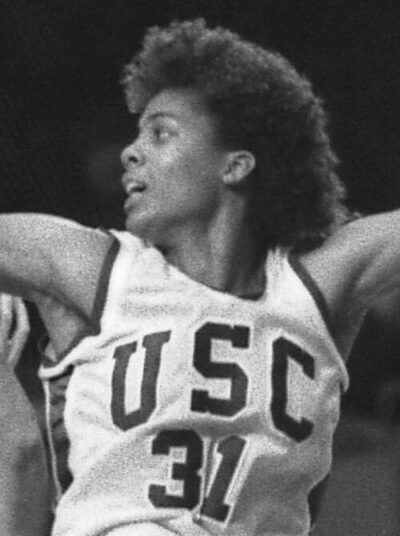
Honda-Broderick Cup
Honda-Broderick Cup is a sports award. It was created in 1977.
- Country
- United States
- Created
- 1977
All 3 facts, and where they come from
Facts
3 facts · 0 confirmed by two sources · 0 cited · 3 from one source
Where this comes from
Papalocal keeps its own record. It started from these sources; what each one said is kept here as it was copied, so a change on their side never changes this page by itself. Tap one to read its version.
What Wikidata says · copied November 17, 2026 · revision 2443970134
- What it is
- sports award
- Created
- 1977
- Country
- United States
- Wikipedias with a page
- 3
Wikidata item Q5892098 (wikidata.org/wiki/Q5892098), public domain (CC0). Copied 2026-11-17.
What Wikipedia says · copied November 17, 2026 · revision 1386189012
The Honda-Broderick Cup is a sports award for college-level female athletes. The awards are voted on by a national panel of more than 1000 collegiate athletic directors. It was first presented by Tom Broderick, an American owner of a women's sports apparel company, in 1977, with the first award going to Lusia Harris, who played basketball at Delta State University. The Honda Corporation has presented the award since 1987. To be nominated, an athlete must have won the Honda Sports Award for her sport.
Winners are chosen in each of the 12 NCAA-sanctioned sports; three additional athletes are recognized as the Inspiration Award winner and Division II and III Athletes of the Year. All of these women are selected not only for their superior athletic skills, but also for their leadership abilities, academic excellence and eagerness to participate in community service.
Votes will be tabulated from over 900 NCAA-member schools, and the one athlete who is chosen as the outstanding Collegiate Woman Athlete of the Year will take home the Honda-Broderick Cup.
From the Wikipedia article “Honda-Broderick Cup” (en.wikipedia.org/wiki/Honda-Broderick_Cup), by its contributors, under CC BY-SA 4.0 (creativecommons.org/licenses/by-sa/4.0/). Copied 2026-11-17; not changed.
Confirmed Two sources agree. Cited One source, and it names where it got it. One source One source, without a reference of its own. Sources disagree The sources disagree. We show the best-supported value and keep theirs below.