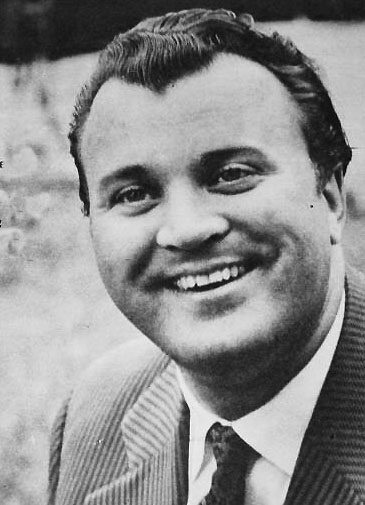
Hovsångare
Hovsångare is a Swedish art prize. It was created in 1773. It won the Litteris et Artibus.
- Country
- Sweden
- Created
- 1773
All 4 facts, and where they come from
Facts
4 facts · 0 confirmed by two sources · 0 cited · 4 from one source
Where this comes from
Papalocal keeps its own record. It started from these sources; what each one said is kept here as it was copied, so a change on their side never changes this page by itself. Tap one to read its version.
What Wikidata says · copied November 18, 2026 · revision 2520151527
- Described as
- Swedish art prize
- What it is
- visual arts award
- Created
- 1773
- Country
- Sweden
- Awards
- Litteris et Artibus
- Wikipedias with a page
- 6
Wikidata item Q14273591 (wikidata.org/wiki/Q14273591), public domain (CC0). Copied 2026-11-18.
What Wikipedia says · copied November 18, 2026 · revision 1329120666
The titles hovsångare (Swedish: [ˈhôːvˌsɔŋːarɛ], literally "Court Singer") for men and hovsångerska (Swedish: [ˈhôːvˌsɔŋːɛʂka]) for women are awarded by the Swedish monarch to a singer (usually an opera singer) who, by their vocal art, has contributed to the international standing of Swedish singing. The formal title was introduced by King Gustav III of Sweden in 1773, with the first recipients being Elisabeth Olin and Carl Stenborg. The position as such, however, dates back to the 17th century, when Anne Chabanceau de La Barre and Joseph Chabanceau de La Barre were singers at the court of Queen Christina of Sweden.
From the Wikipedia article “Hovsångare” (en.wikipedia.org/wiki/Hovsångare), by its contributors, under CC BY-SA 4.0 (creativecommons.org/licenses/by-sa/4.0/). Copied 2026-11-18; not changed.
Confirmed Two sources agree. Cited One source, and it names where it got it. One source One source, without a reference of its own. Sources disagree The sources disagree. We show the best-supported value and keep theirs below.
Picture: Wikimedia Commons: Jenny Lind in La Sonnambula.jpg · See Commons file page