Hubert H. Humphrey School of Public Affairs
Hubert H. Humphrey School of Public Affairs is a Public policy college in Minnesota. It was founded in 1977.
- Founded
- 1977
- Country
- United States
All 6 facts, and where they come from
Facts
6 facts · 0 confirmed by two sources · 0 cited · 6 from one source
Where this comes from
Papalocal keeps its own record. It started from these sources; what each one said is kept here as it was copied, so a change on their side never changes this page by itself. Tap one to read its version.
What Wikidata says · copied November 16, 2026 · revision 2516583069
- Described as
- Public policy college in Minnesota
- Other names
- Humphrey School of Public Affairs, Hubert H. Humphrey Institute of Public Affairs
- What it is
- public policy school
- Founded
- 1977
- Located in
- Minneapolis
- Country
- United States
- Named after
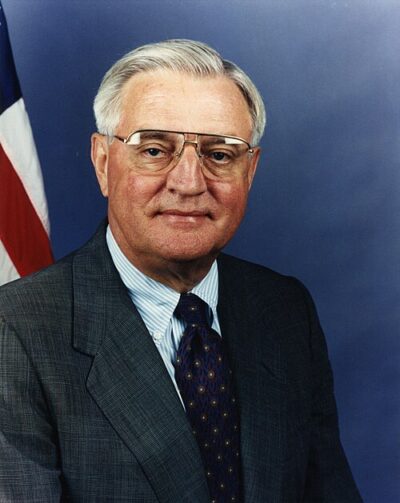
- Hubert Humphrey
- Official website
- http://hhh.umn.edu/
- Wikipedias with a page
- 1
Wikidata item Q5927315 (wikidata.org/wiki/Q5927315), public domain (CC0). Copied 2026-11-16.
What Wikipedia says · copied November 16, 2026 · revision 1359723762
The Hubert H. Humphrey School of Public Affairs is a public policy and planning school at the University of Minnesota, a public land-grant research university in the Twin Cities of Minneapolis and Saint Paul, Minnesota. It is named after Hubert Humphrey, former Vice President of the United States and presidential candidate. The school is located on the West Bank of the University of Minnesota, which is also home to the University of Minnesota Law School and Carlson School of Management in Minneapolis. The Humphrey School is accredited by the Network of Schools of Public Policy, Affairs, and Administration (NASPAA).
From the Wikipedia article “Humphrey School of Public Affairs” (en.wikipedia.org/wiki/Humphrey_School_of_Public_Affairs), by its contributors, under CC BY-SA 4.0 (creativecommons.org/licenses/by-sa/4.0/). Copied 2026-11-16; not changed.
Confirmed Two sources agree. Cited One source, and it names where it got it. One source One source, without a reference of its own. Sources disagree The sources disagree. We show the best-supported value and keep theirs below.
Picture: Tony Webster from San Francisco, California, via Wikimedia Commons · CC BY-SA 2.0