
Hugo Award for Best Novel
Hugo Award for Best Novel is a literary award for science fiction or fantasy novels in English. It was created in 1953. It is given by the World Science Fiction Society.
- Given by
- World Science Fiction Society
- Created
- 1953
All 4 facts, and where they come from
Facts
4 facts · 0 confirmed by two sources · 0 cited · 4 from one source
Where this comes from
Papalocal keeps its own record. It started from these sources; what each one said is kept here as it was copied, so a change on their side never changes this page by itself. Tap one to read its version.
What Wikidata says · copied November 16, 2026 · revision 2561510258
- Described as
- literary award for science fiction or fantasy novels in English
- Other names
- Hugo Award for Best Novel or Novelette
- What it is
- literary award
- Created
- 1953
- Given by
- World Science Fiction Society
- Official website
- http://www.thehugoawards.org/
- Wikipedias with a page
- 23
Wikidata item Q255032 (wikidata.org/wiki/Q255032), public domain (CC0). Copied 2026-11-16.
What Wikipedia says · copied November 16, 2026 · revision 1375530935
The Hugo Award for Best Novel is one of the Hugo Awards given each year by the World Science Fiction Society for science fiction or fantasy stories published in, or translated to, English during the previous calendar year. The novel award is available for works of fiction of 40,000 words or more; awards are also given out in the short story, novelette, and novella categories. The Hugo Awards have been described as "a fine showcase for speculative fiction", and "the best known literary award for science fiction writing".
The Hugo Award for Best Novel has been awarded annually by the World Science Fiction Society since 1953, except in 1954 and 1957. In addition, between 1996 and 2025, Retrospective Hugo Awards or "Retro-Hugos" were available for works published 50, 75, or 100 years prior. Retro-Hugos could only be awarded for years after 1939 in which no awards were originally given. Retro-Hugo awards were given for novels for 1939, 1941, 1943–1946, 1951, and 1954.
Hugo Award nominees and winners are chosen by supporting or attending members of the annual World Science Fiction Convention, or Worldcon, and the presentation evening constitutes its central event. The final selection process is defined in the World Science Fiction Society Constitution as instant-runoff voting with six finalists, except in the case of a tie. The novels on the ballot are the six most-nominated by members that year, with no limit on the number of stories that can be nominated. The 1953, 1955, and 1958 awards did not include a recognition of runner-up novels, but since 1959 all final candidates have been recorded. Initial nominations are made by members from January through March, while voting on the ballot of six finalists is performed roughly from April through July, subject to change depending on when that year's Worldcon is held. Prior to 2017, the final ballot was five works; it was changed that year to six, with each initial nominator limited to five nominations. Worldcons are generally held in August or early September, and are held in a different city around the world each year.
During the 80 nomination years, 182 authors have had works as finalists and 56 have won (including co-authors, ties, and Retro-Hugos). Two translators have been noted along with the author of a novel written in a language other than English: Ken Liu, in 2015 and 2017, for translations of two works from Chinese; and Rita Barisse, in 2019, who was retroactively noted as the translator of a 1963 French novel. Robert A. Heinlein has won the most Hugos for Best Novel, and also appeared on the most final ballots; he has six wins (four Hugos and two Retro-Hugos) out of twelve finalists. Lois McMaster Bujold has received four Hugos out of ten finalists. Five authors have won three times: Isaac Asimov and Fritz Leiber (with two Hugos and one Retro-Hugo each), N. K. Jemisin, Connie Willis, and Vernor Vinge. Ten other authors have won the award twice. The next-most finalists by a winning author are held by Robert J. Sawyer and Larry Niven, who have been finalists nine and eight times, respectively, and have each only won once. With nine finalist appearance, Robert Silverberg has the greatest number of finalists without winning any. Three authors have won the award in consecutive years: Orson Scott Card (1986 and 1987), Lois McMaster Bujold (1991 and 1992), and N. K. Jemisin (2016, 2017, and 2018).
From the Wikipedia article “Hugo Award for Best Novel” (en.wikipedia.org/wiki/Hugo_Award_for_Best_Novel), by its contributors, under CC BY-SA 4.0 (creativecommons.org/licenses/by-sa/4.0/). Copied 2026-11-16; not changed.
Confirmed Two sources agree. Cited One source, and it names where it got it. One source One source, without a reference of its own. Sources disagree The sources disagree. We show the best-supported value and keep theirs below.
People connected 44
Won it 44
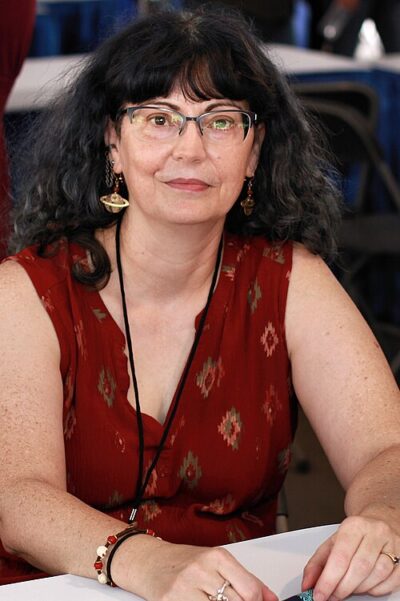 Martha Wells (2021)American science fiction and fantasy author born in Fort Worth, Texas 1964
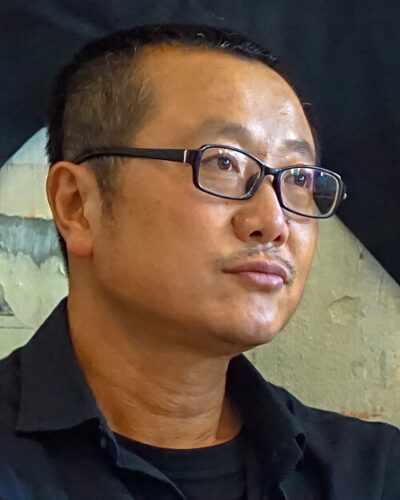 Liu Cixin (2015)Chinese science fiction writer
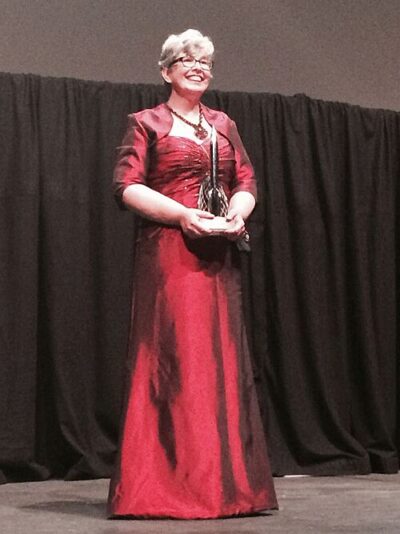 Ann Leckie (2014)American science-fiction author
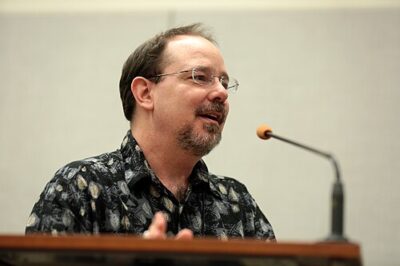 John Scalzi (2013)American science fiction writer (born 1969)
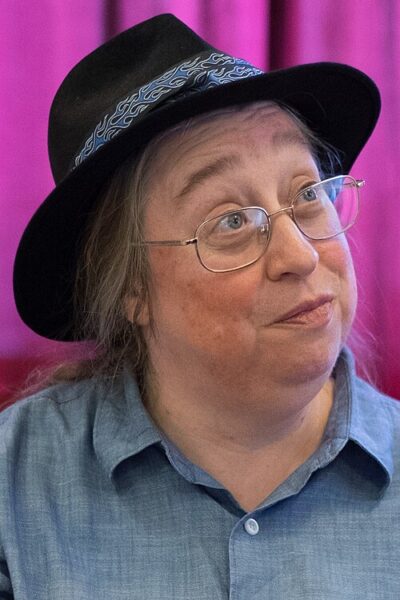 Jo Walton (2012)Welsh Canadian writer
 China Miéville (2010)English writer, critic, and activist (born 1972)
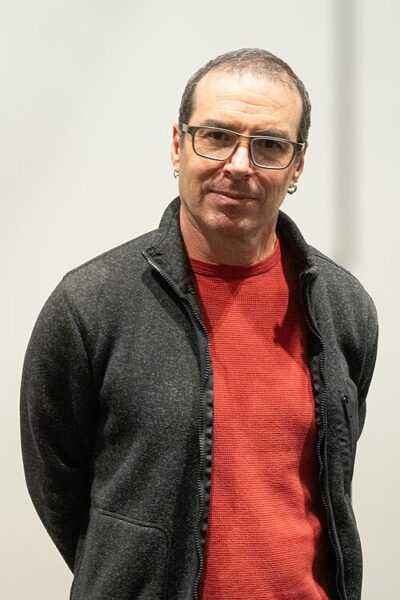 Paolo Bacigalupi (2010)American science fiction and fantasy writer
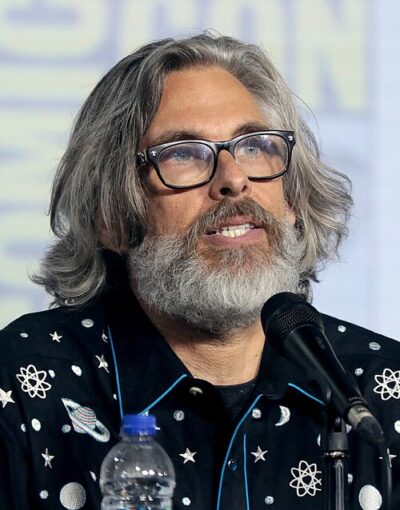 Michael Chabon (2008)American novelist, short story writer, essayist
 Robert Charles Wilson (2006)American-Canadian science fiction author (b. 1953)
 Susanna Clarke (2005)British author (1959-)
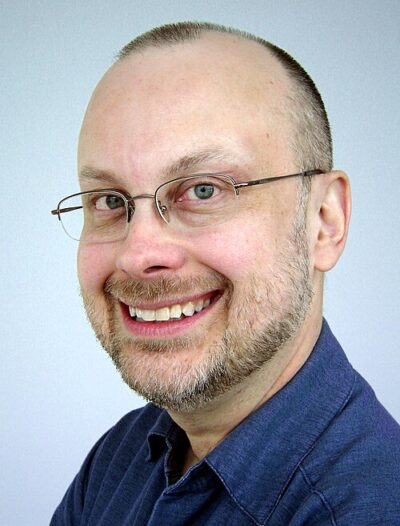 Robert J. Sawyer (2003)Canadian science fiction writer (born 1960)
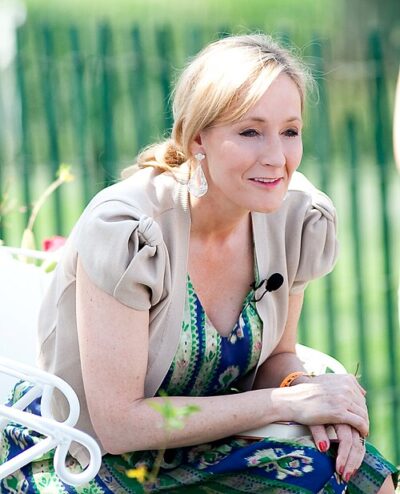 J. K. Rowling (2001)English author (born 1965)
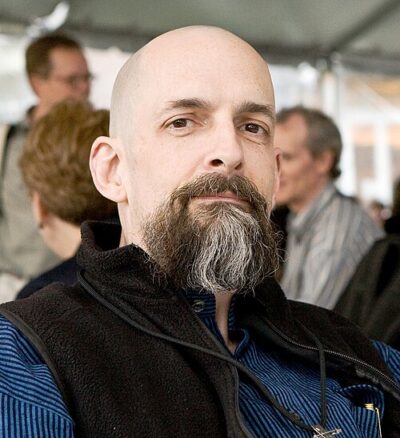 Neal Stephenson (1996)American science fiction writer (born 1959)
 Dan Simmons (1990)American novelist (1948–2026)
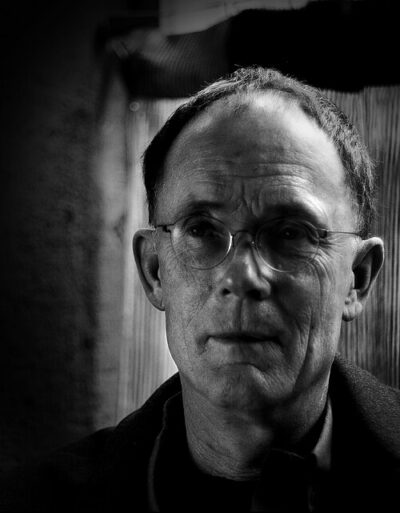 William Gibson (1985)American-Canadian speculative fiction writer (born 1948)
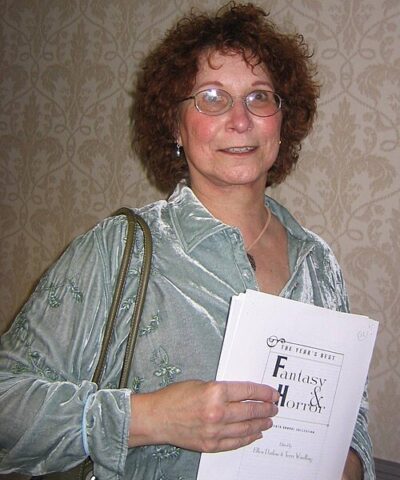 Joan D. Vinge (1981)American writer
 Vonda N. McIntyre (1979)American science fiction writer (1948-2019)
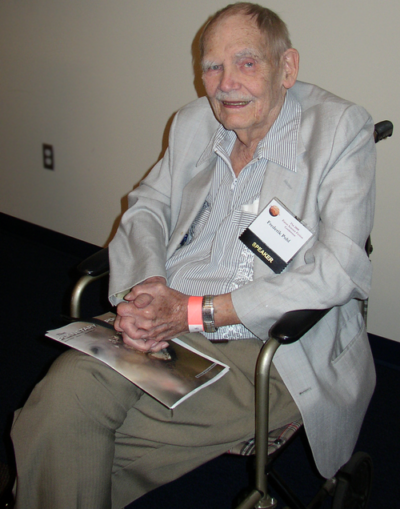 Frederik Pohl (1978)American science fiction writer and editor (1919–2013)
- KKate Wilhelm (1977)American science fiction writer (1928-2018)
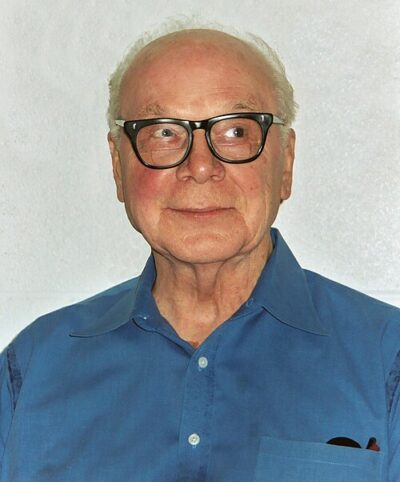 Philip José Farmer (1972)American writer (1918–2009)
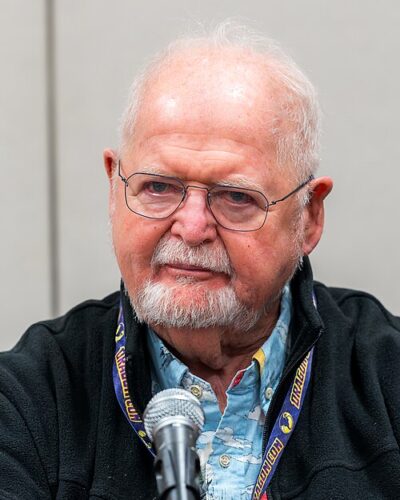 Larry Niven (1971)American writer (born 1938)
- JJohn Brunner (1969)British author (1934–1995)
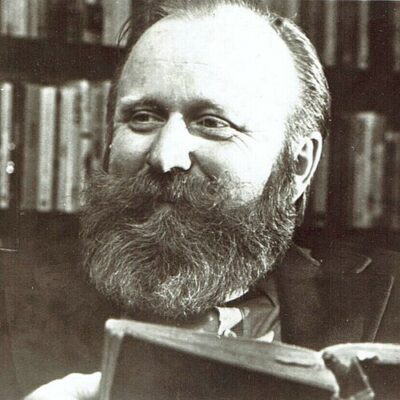 Frank Herbert (1966)American writer (1920–1986)
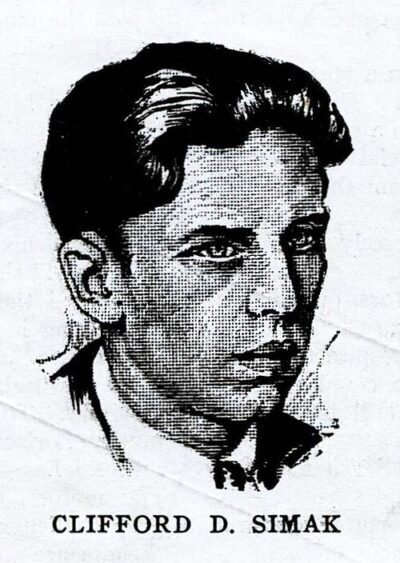 Clifford D. Simak (1964)American writer, journalist (1904–1988)
and 20 more
