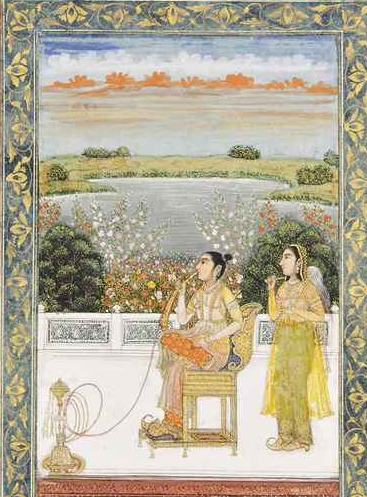
Humayunnama
Humayunnama is a 16th century biographical work by Gulbadan Begum.
- Published
- 16th century
- Written by
- Gulbadan Begum
- Genre
- biography
- Country of origin
- Mughal Empire
All 6 facts, and where they come from
Facts
6 facts · 0 confirmed by two sources · 0 cited · 6 from one source
Where this comes from
Papalocal keeps its own record. It started from these sources; what each one said is kept here as it was copied, so a change on their side never changes this page by itself. Tap one to read its version.
What Wikidata says · copied November 17, 2026 · revision 2507995790
- Described as
- 16th century biographical work by Gulbadan Begum
- Other names
- Humayun-Nama, Humayunama, Humayunnameh
- What it is
- literary work
- Written by
- Gulbadan Begum
- Genre
- biography
- Published
- 16th century
- Language
- Persian
- Country of origin
- Mughal Empire
- Wikipedias with a page
- 4
Wikidata item Q56365975 (wikidata.org/wiki/Q56365975), public domain (CC0). Copied 2026-11-17.
What Wikipedia says · copied November 17, 2026 · revision 1384505383
The Humayun-nama (همایوننامه; Book of Humayun), also known as the Ahwal Humayun Padshah Jamah Kardom Gulbadan Begum bint Babur Padshah amma Akbar Padshah, is a 16th-century historical prose text written by Gulbadan Begum, a Mughal princess and the daughter of Emperor Babur. Commissioned by her nephew, Emperor Akbar, the manuscript chronicles the life and reign of her brother, Emperor Humayun, as well as providing an intimate glimpse into the social dynamics of the early Mughal harem. It is notable as the only surviving contemporary historical account written by a woman of Mughal royalty during the 16th century.
From the Wikipedia article “Humayunnama” (en.wikipedia.org/wiki/Humayunnama), by its contributors, under CC BY-SA 4.0 (creativecommons.org/licenses/by-sa/4.0/). Copied 2026-11-17; not changed.
Confirmed Two sources agree. Cited One source, and it names where it got it. One source One source, without a reference of its own. Sources disagree The sources disagree. We show the best-supported value and keep theirs below.