Irish Parliamentary Party
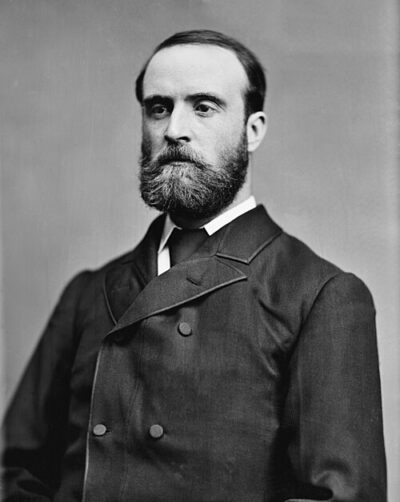
The Irish Parliamentary Party is a political party in Ireland. It was founded in 1882 by Isaac Butt and Charles Stewart Parnell. It stands for Irish nationalism.
- Country
- Ireland
- Founded
- 1882
- Ideology
- Irish nationalism
All 9 facts, and where they come from
Facts
9 facts · 0 confirmed by two sources · 0 cited · 9 from one source
Where this comes from
Papalocal keeps its own record. It started from these sources; what each one said is kept here as it was copied, so a change on their side never changes this page by itself. Tap one to read its version.
What Wikidata says · copied November 17, 2026 · revision 2551306769
- Described as
- political party in Ireland
- What it is
- political party
- Comes after
- Home Rule League
- Founded
- 1882
- Ended
- 1921
- Founded by
- Isaac Butt; Charles Stewart Parnell
- Country
- Ireland; United Kingdom
- Ideology
- Irish nationalism
- Wikipedias with a page
- 22
Wikidata item Q1311653 (wikidata.org/wiki/Q1311653), public domain (CC0). Copied 2026-11-17.
What Wikipedia says · copied November 17, 2026 · revision 1385497012
The Irish Parliamentary Party (IPP; commonly called the Irish Party or the Home Rule Party) was formed in 1874 by Isaac Butt, the leader of the Nationalist Party, replacing the Home Rule League, as official parliamentary party for Irish nationalist Members of Parliament (MPs) elected to the House of Commons at Westminster within the United Kingdom of Great Britain and Ireland up until 1918. Its central objectives were legislative independence for Ireland and land reform. Its constitutional movement was instrumental in laying the groundwork for Irish self-government through three Irish Home Rule bills.
From the Wikipedia article “Irish Parliamentary Party” (en.wikipedia.org/wiki/Irish_Parliamentary_Party), by its contributors, under CC BY-SA 4.0 (creativecommons.org/licenses/by-sa/4.0/). Copied 2026-11-17; not changed.
Confirmed Two sources agree. Cited One source, and it names where it got it. One source One source, without a reference of its own. Sources disagree The sources disagree. We show the best-supported value and keep theirs below.