
James Flack Norris Award for Outstanding Achievement in the Teaching of Chemistry
James Flack Norris Award for Outstanding Achievement in the Teaching of Chemistry is an American award for teaching of chemistry. It was created in 1950.
- Country
- United States
- Created
- 1950
All 5 facts, and where they come from
Facts
5 facts · 0 confirmed by two sources · 1 cited · 4 from one source
Where this comes from
Papalocal keeps its own record. It started from these sources; what each one said is kept here as it was copied, so a change on their side never changes this page by itself. Tap one to read its version.
What Wikidata says · copied November 19, 2026 · revision 2569842161
- Described as
- American award for teaching of chemistry
- Other names
- James Flack Norris Award for Chemistry Education, James Flack Norris Award
- What it is
- award
- Created
- 1950 · 1 reference
- Country
- United States
- Named after
- James Flack Norris
- Official website
- http://www.nesacs.org/awards_norris.html
- Wikipedias with a page
- 3
Wikidata item Q3161078 (wikidata.org/wiki/Q3161078), public domain (CC0). Copied 2026-11-19.
What Wikipedia says · copied November 19, 2026 · revision 1247020276
The James Flack Norris Award is an award handed out yearly for "outstanding contributions to the field of chemical education". The award, which was established in 1950 and was handed out the first time in 1951 was created by the Northeastern Section of the American Chemical Society in memory of the contributions of James Flack Norris, professor of Chemistry at the Massachusetts Institute of Technology.
From the Wikipedia article “James Flack Norris Award for Outstanding Achievement in the Teaching of Chemistry” (en.wikipedia.org/wiki/James_Flack_Norris_Award_for_Outstanding_Achievement_in_the_Teaching_of_Chemistry), by its contributors, under CC BY-SA 4.0 (creativecommons.org/licenses/by-sa/4.0/). Copied 2026-11-19; not changed.
Confirmed Two sources agree. Cited One source, and it names where it got it. One source One source, without a reference of its own. Sources disagree The sources disagree. We show the best-supported value and keep theirs below.
People connected 10
Won it
- FFred Basolo (1981)American chemist (1920–2007)
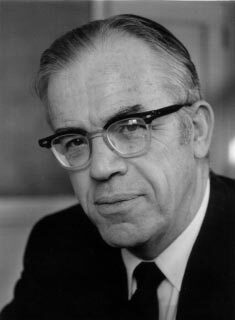 Paul Doughty Bartlett (1978)American chemist (1907–1997)
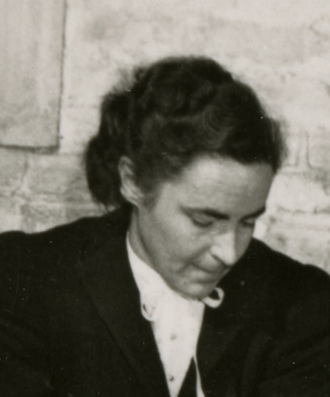 Anna J. Harrison (1977)American organic chemist (1912–1998)
- JJoseph Edward Mayer (1969)American chemist (1904–1983)
- EEdgar Bright Wilson (1966)American theoretical chemist and university teacher (1908–1992)
- JJoel Henry Hildebrand (1961)American chemist (1881–1983)
- LLouis Plack Hammett (1960)American chemist (1894–1987)
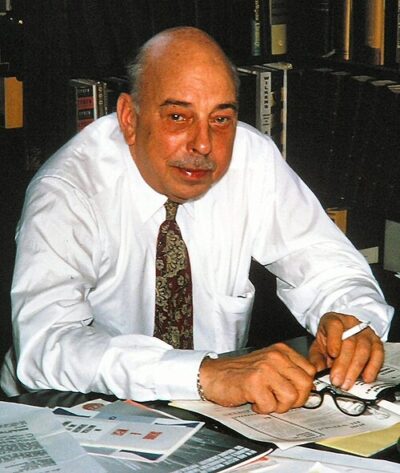 Louis Fieser (1959)American organic chemist (1899–1977)
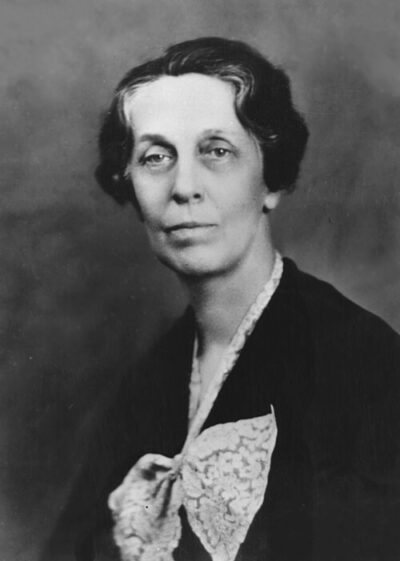 Emma P. Carr (1957)American spectroscopist and chemical educator (1880–1972)
- FFarrington Daniels (1957)American physical chemist (1889–1972)
