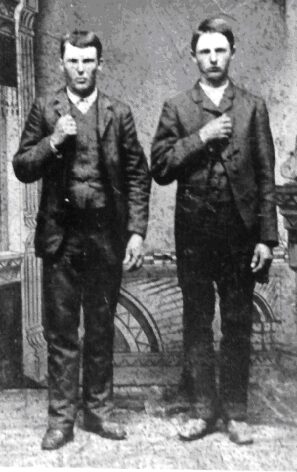
James-Younger Gang
James-Younger Gang is a criminal organization. It was founded in 1866. Its headquarters are in Missouri.
- Founded
- February 13, 1866
- Headquarters
- Missouri
- Industry
- robbery
All 6 facts, and where they come from
Facts
6 facts · 0 confirmed by two sources · 0 cited · 6 from one source
Where this comes from
Papalocal keeps its own record. It started from these sources; what each one said is kept here as it was copied, so a change on their side never changes this page by itself. Tap one to read its version.
What Wikidata says · copied November 16, 2026 · revision 2501242822
- Described as
- criminal organization
- Other names
- James Gang, James–Younger Gang
- What it is
- criminal organization
- Country of origin
- United States
- Founded
- February 13, 1866
- Ended
- October 2, 1882
- Headquarters
- Missouri · 1 reference
- Industry
- robbery
- Wikipedias with a page
- 9
Wikidata item Q942440 (wikidata.org/wiki/Q942440), public domain (CC0). Copied 2026-11-16.
What Wikipedia says · copied November 16, 2026 · revision 1382771636
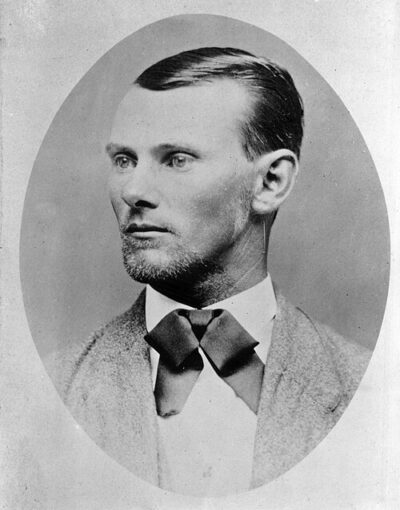
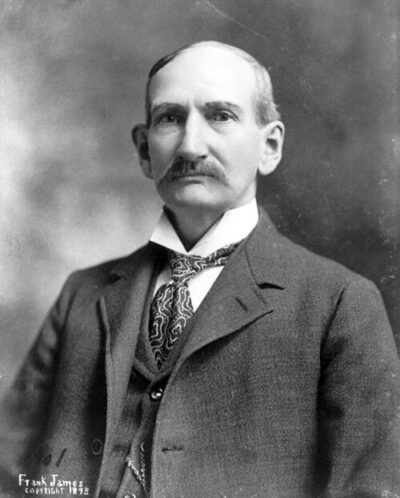
The James–Younger Gang was a notable 19th-century gang of American outlaws that revolved around Jesse James and his brother Frank James. The gang was based in the state of Missouri, the home of most of the members.
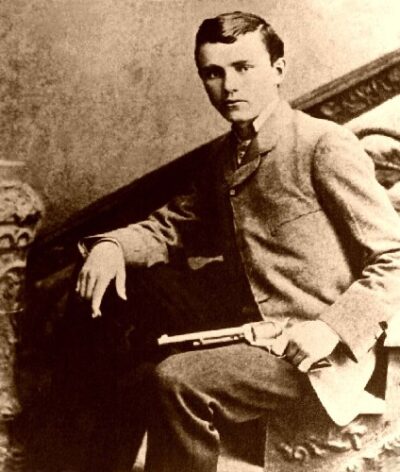
Membership fluctuated from robbery to robbery, as the outlaws' raids were usually separated by many months. As well as the notorious James brothers, at various times it included the Younger brothers (Cole, Jim, John, and Bob), John Jarrett (married to the Youngers' sister Josie), Arthur McCoy, George Shepherd, Oliver Shepherd, William McDaniel, Tom McDaniel, Clell Miller, Samuel Wells (alias Charlie Pitts), William Chadwell (alias Bill Stiles), and Matthew "Ace" Nelson.
The James–Younger Gang had its origins in a group of Confederate bushwhackers that participated in the bitter partisan fighting that wracked Missouri during the American Civil War. After the war, the men continued to plunder and murder, though the motive shifted to personal profit rather than in the name of the Confederacy. The loose association of outlaws did not truly become the "James–Younger Gang" until 1868 at the earliest, when the authorities first named Cole Younger, John Jarrett, Arthur McCoy, George Shepherd and Oliver Shepherd as suspects in the robbery of the Nimrod Long bank in Russellville, Kentucky.
The James–Younger Gang dissolved in 1876, following the capture of the Younger brothers in Minnesota during the unsuccessful attempt to rob the Northfield First National Bank. Three years later, Jesse James organized a new gang, including Clell Miller's brother Ed and the Ford brothers (Robert and Charles), and renewed his criminal career. This career came to an end in 1882 when Robert Ford shot Jesse James from behind, killing him.
For nearly a decade following the Civil War, the James–Younger Gang was among the most feared, most publicized, and most wanted confederations of outlaws on the American frontier. Though their crimes were reckless and brutal, many members of the gang commanded a notoriety in the public eye that earned the gang significant popular support and sympathy. The gang's activities spanned much of the central part of the country; they are suspected of having robbed banks, trains, and stagecoaches in at least eleven states: Missouri, Kentucky, Tennessee, Iowa, Kansas, Minnesota, Texas, Arkansas, Louisiana, Alabama, and West Virginia.
From the Wikipedia article “James–Younger Gang” (en.wikipedia.org/wiki/James–Younger_Gang), by its contributors, under CC BY-SA 4.0 (creativecommons.org/licenses/by-sa/4.0/). Copied 2026-11-16; not changed.
Confirmed Two sources agree. Cited One source, and it names where it got it. One source One source, without a reference of its own. Sources disagree The sources disagree. We show the best-supported value and keep theirs below.
Picture: U.S. Army Corps of Engineers, photographer not specified or unknown, via Wikimedia Commons · Public domain