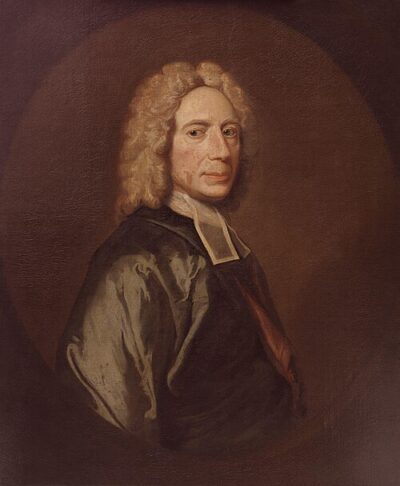
Joy to the World
Joy to the World is a 1719 Christmas hymn by Isaac Watts. It came out in 1994. It is performed by Charlotte Perrelli. It is based on Psalm 98.
- Released
- November 1994
- Performed by
- Charlotte Perrelli
- Genre
- Christmas carol
All 7 facts, and where they come from
Facts
7 facts · 0 confirmed by two sources · 0 cited · 7 from one source
Where this comes from
Papalocal keeps its own record. It started from these sources; what each one said is kept here as it was copied, so a change on their side never changes this page by itself. Tap one to read its version.
What Wikidata says · copied November 17, 2026 · revision 2570048331
- Described as
- 1719 Christmas hymn by Isaac Watts
- Other names
- Joy to the World! the Lord is come
- What it is
- musical work/composition
- Performed by
- Charlotte Perrelli
- Genre
- Christmas carol; Christian hymn
- Released
- November 1994 · 1 reference
- Language
- English
- Based on
- Psalm 98 · 1 reference
- Wikipedias with a page
- 27
Wikidata item Q1192264 (wikidata.org/wiki/Q1192264), public domain (CC0). Copied 2026-11-17.
What Wikipedia says · copied November 17, 2026 · revision 1383459494
"Joy to the World" is an English hymn and Christmas carol. Written in 1719 by the English minister and hymnist Isaac Watts, the hymn is usually sung to an 1848 arrangement by the American composer Lowell Mason of a tune attributed to George Frideric Handel. The hymn's lyrics are a Christian interpretation of Psalm 98 and Genesis 3.
Since the 20th century, "Joy to the World" has been the most-published Christmas carol in North America. As of December 2009, it was published in 1,387 hymnals in North America, according to the Dictionary of North American Hymnology.
From the Wikipedia article “Joy to the World” (en.wikipedia.org/wiki/Joy_to_the_World), by its contributors, under CC BY-SA 4.0 (creativecommons.org/licenses/by-sa/4.0/). Copied 2026-11-17; not changed.
Confirmed Two sources agree. Cited One source, and it names where it got it. One source One source, without a reference of its own. Sources disagree The sources disagree. We show the best-supported value and keep theirs below.