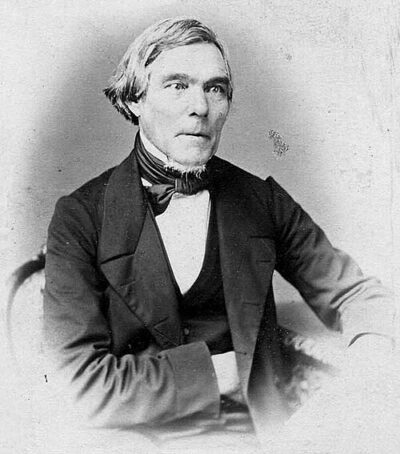
Kalevala
Kalevala is a 19th-century work of epic poetry compiled by Elias Lönnrot from Karelian and Finnish oral folklore and mythology. It came out in 1835.
- Published
- 1835
- Came out
- 1828
- Written by
- Elias Lönnrot
- Genre
- epic poem
- Country of origin
- Russian Empire
All 10 facts, and where they come from
Facts
10 facts · 0 confirmed by two sources · 0 cited · 10 from one source
Where this comes from
Papalocal keeps its own record. It started from these sources; what each one said is kept here as it was copied, so a change on their side never changes this page by itself. Tap one to read its version.
What Wikidata says · copied November 17, 2026 · revision 2557931211
- Described as
- 19th-century work of epic poetry compiled by Elias Lönnrot from Karelian and Finnish oral folklore and mythology
- Other names
- The Kalevala, Kalewala
- What it is
- literary work
- Written by
- Elias Lönnrot
- Genre
- epic poem
- Published
- 1835
- Language
- Finnish; Karelian
- Country of origin
- Russian Empire
- Came out
- 1828
- Office of
- Karelia
- Named after
- Kalev
- Wikipedias with a page
- 99
Wikidata item Q130924 (wikidata.org/wiki/Q130924), public domain (CC0). Copied 2026-11-17.
What Wikipedia says · copied November 17, 2026 · revision 1384327673
The Kalevala (IPA: [ˈkɑleʋɑlɑ]) is a 19th-century compilation of epic poetry, compiled by Elias Lönnrot from Finnish, Karelian and Ingrian folklore and mythology, telling a story about the Creation of the Earth, describing the controversies and retaliatory voyages between the peoples of the land of Kalevala called Väinölä and the land of Pohjola and their various protagonists and antagonists, as well as the construction and robbery of the mythical wealth-making machine Sampo.
The Kalevala is regarded as the national epic of Finland and Karelia, and is one of the most significant works of Finnish literature along with J. L. Runeberg's The Tales of Ensign Stål and Aleksis Kivi's The Seven Brothers. The Kalevala was instrumental in the development of the Finnish national identity and the intensification of Finland's language strife that ultimately led to Finland's independence from Russia in 1917. The work is known internationally and has partly influenced, for example, J. R. R. Tolkien's legendarium (i.e. Middle-earth mythology, especially The Children of Húrin).
The first version of the Kalevala, called the Old Kalevala, was published in 1835, consisting of 12,078 verses. The version most commonly known today was first published in 1849 and consists of 22,795 verses, divided into fifty folk stories (Finnish: runot). An abridged version, containing all fifty poems but just 9,732 verses, was published in 1862. In connection with the Kalevala, there is another much more lyrical collection of poems, also compiled by Lönnrot, called Kanteletar from 1840, which is mostly seen as a "sister collection" of the Kalevala.
From the Wikipedia article “Kalevala” (en.wikipedia.org/wiki/Kalevala), by its contributors, under CC BY-SA 4.0 (creativecommons.org/licenses/by-sa/4.0/). Copied 2026-11-17; not changed.
Confirmed Two sources agree. Cited One source, and it names where it got it. One source One source, without a reference of its own. Sources disagree The sources disagree. We show the best-supported value and keep theirs below.
Picture: Wikimedia Commons: Kalevala1.jpg · See Commons file page