
Kamehameha Schools
Kamehameha Schools is a private school system in Hawaiʻi. It was founded in 1887 by Bernice Pauahi Bishop.
- Located in
- Honolulu
- Country
- United States
- Founded
- 1887
- What it is
- school
All 7 facts, and where they come from
Facts
7 facts · 0 confirmed by two sources · 3 cited · 4 from one source
Where this comes from
Papalocal keeps its own record. It started from these sources; what each one said is kept here as it was copied, so a change on their side never changes this page by itself. Tap one to read its version.
What Wikidata says · copied November 17, 2026 · revision 2549851564
- Described as
- private school system in Hawaiʻi
- Other names
- Kamehameha Schools Bishop Estate
- What it is
- school; nonprofit organization · 1 reference
- Founded
- 1887 · 1 reference
- Founded by
- Bernice Pauahi Bishop
- Located in
- Honolulu
- Country
- United States · 1 reference
- Official website
- http://www.ksbe.edu
- Wikipedias with a page
- 5
Wikidata item Q6356550 (wikidata.org/wiki/Q6356550), public domain (CC0). Copied 2026-11-17.
What Wikipedia says · copied November 17, 2026 · revision 1385782006
Kamehameha Schools, formerly called Kamehameha Schools Bishop Estate (KSBE), is a private school system in Hawaiʻi established by the Bernice Pauahi Bishop Estate, under the terms of the will of Princess Bernice Pauahi Bishop, who was a formal member of the House of Kamehameha. Bishop's will established a trust called the "Bernice Pauahi Bishop Estate" that is Hawaiʻi's largest private landowner. Originally established in 1887 as an all-boys school for Hawaiian children, it shared its grounds with the Bishop Museum. The first graduating class consisted of 14 boys.
After it moved to another location, the museum took over two school halls. Kamehameha Schools opened the girls' school required by the will in 1894. It became coeducational in 1965. The 600-acre (2.4 km2) Kapālama campus opened in 1931, while the Maui and Hawaiʻi campuses opened in 1996 and 2001, respectively.
It was developed at the bequest of Princess Bernice Pauahi Bishop to educate the children of Hawaii with a fund set aside for orphaned and indigent children of Hawaiian descent, and is designed to serve students from preschool through twelfth grade. The school teaches in the English language a college-prep education enhanced by Hawaiian culture, language and practices, imparting historical and practical value of continuing Hawaiian traditions. It operates 31 preschools statewide and three grade K–12 campuses in Kapālama, Oʻahu, Pukalani, Maui, and Keaʻau, Hawaiʻi.
As the terms of its founding leaves the admission policy to the board of Trustees, the school has adopted an admissions policy fully preferential to applicants with Native Hawaiian ancestry. Since 1965 it has excluded all but two non-Hawaiians from being admitted. A lawsuit challenging the school's admission policy resulted in a narrow victory for Kamehameha in the Ninth Circuit Court; however, Kamehameha ultimately settled, paying the plaintiff $7 million.
As of the 2011–12 school year, Kamehameha had an enrollment of 5,398 students at its three main campuses and 1,317 children at its preschools, for a total enrollment of 5,416. Beyond its campuses, Kamehameha served an estimated 46,923 Hawaiians in 2011 through its support for public schools, charter schools, and families and caregivers throughout Hawaii.
According to the Kamehameha Schools home website, the mission statement is as follows: "Kamehameha Schools' mission is to fulfill Pauahi's desire to create educational opportunities in perpetuity to improve the capability and well-being of people of Hawaiian ancestry."
From the Wikipedia article “Kamehameha Schools” (en.wikipedia.org/wiki/Kamehameha_Schools), by its contributors, under CC BY-SA 4.0 (creativecommons.org/licenses/by-sa/4.0/). Copied 2026-11-17; not changed.
Confirmed Two sources agree. Cited One source, and it names where it got it. One source One source, without a reference of its own. Sources disagree The sources disagree. We show the best-supported value and keep theirs below.
People connected 8
Studied here
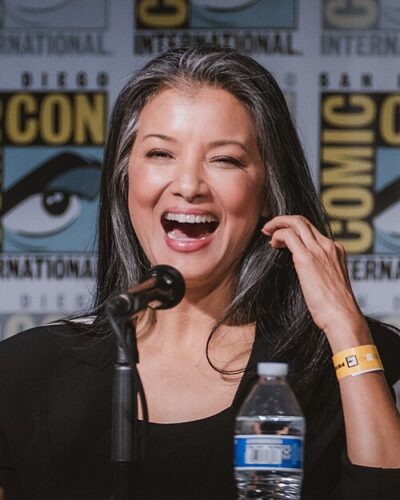 Kelly HuAmerican actress
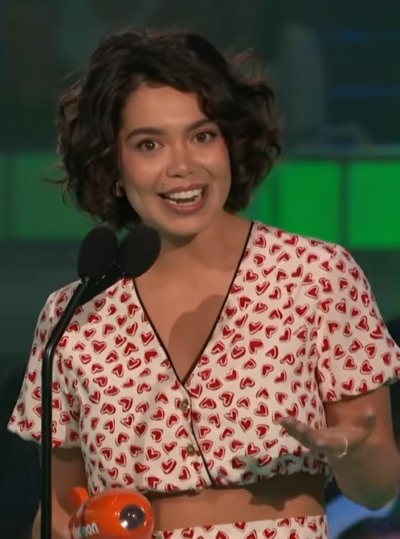 Auliʻi CravalhoAmerican actress and singer (born 2000)
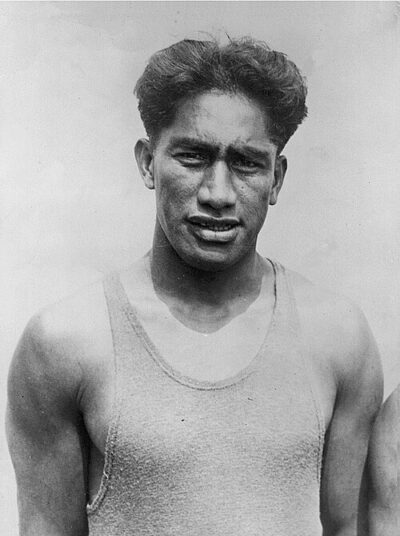 Duke KahanamokuAmerican swimmer, surfer and actor (1890-1968)
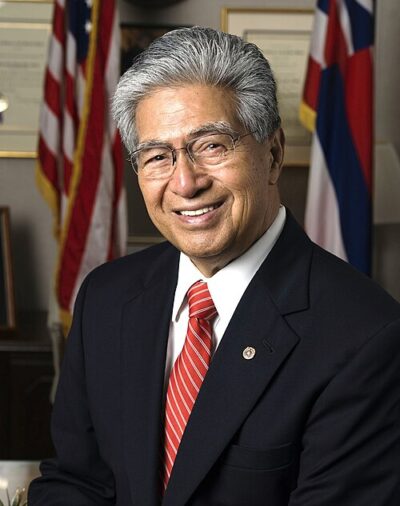 Daniel Akaka (–1942)American politician (1924-2018)
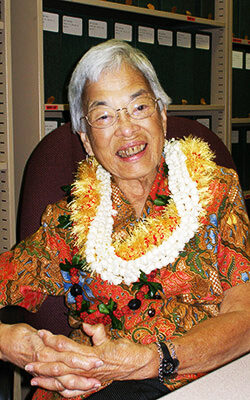 Isabella AbbottHawaiian-American professor of botany, ethnobotanist and specialist in algology (1919-2010)
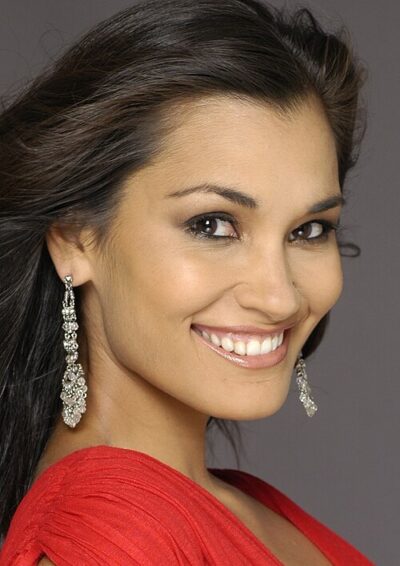 Brook LeeAmerican beauty queen, Miss Universe 1997
 Micah ChristensonAmerican volleyball player
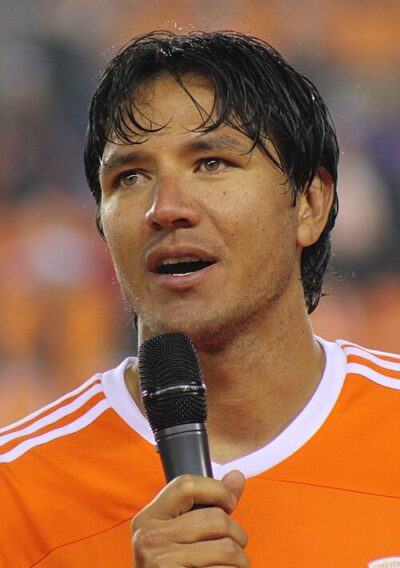 Brian ChingAmerican soccer player
