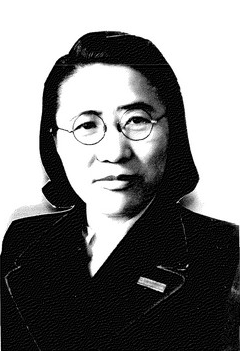
Korean National Revolutionary Party
The Korean National Revolutionary Party is a pro-independence Korean political party (dissolved). It was founded in 1935 by Kim Kyu-sik. It stands for Three Principles of the People.
- Country
- Republic of China
- Founded
- 1935
- Ideology
- Three Principles of the People
All 7 facts, and where they come from
Facts
7 facts · 0 confirmed by two sources · 0 cited · 7 from one source
Where this comes from
Papalocal keeps its own record. It started from these sources; what each one said is kept here as it was copied, so a change on their side never changes this page by itself. Tap one to read its version.
What Wikidata says · copied November 17, 2026 · revision 2526836060
- Described as
- pro-independence Korean political party (dissolved)
- What it is
- political party
- Founded
- 1935
- Ended
- 1947
- Founded by
- Kim Kyu-sik · 1 reference
- Country
- Republic of China; Provisional Government of the Republic of Korea
- Ideology
- Three Principles of the People
- Wikipedias with a page
- 4
Wikidata item Q16182161 (wikidata.org/wiki/Q16182161), public domain (CC0). Copied 2026-11-17.
What Wikipedia says · copied November 17, 2026 · revision 1360157815
The Korean National Revolutionary Party (Korean: 조선민족혁명당; Hanja: 朝鮮民族革命黨), or KNRP, was a nationalist party formed by exiles in Shanghai in 1935 to resist the Japanese occupation of Korea. At first it was the main nationalist Korean political party, but as the Sino-Japanese War (1937–45) progressed the rival Korean National Party, later Korea Independence Party, gained more influence with the Chinese Nationalist government in Chongqing and came to dominate the Korean Provisional Government. The KNRP of America was a significant factor as a source of funds and a link to the US government. The KNRP was dissolved in 1947.
From the Wikipedia article “Korean National Revolutionary Party” (en.wikipedia.org/wiki/Korean_National_Revolutionary_Party), by its contributors, under CC BY-SA 4.0 (creativecommons.org/licenses/by-sa/4.0/). Copied 2026-11-17; not changed.
Confirmed Two sources agree. Cited One source, and it names where it got it. One source One source, without a reference of its own. Sources disagree The sources disagree. We show the best-supported value and keep theirs below.