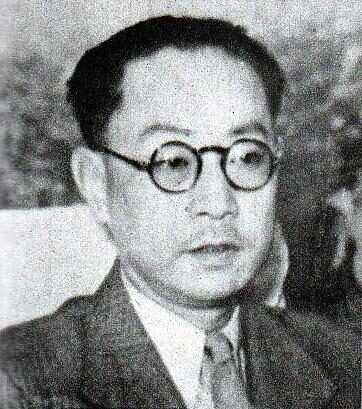
Kuomintang-Nanjing
Kuomintang-Nanjing is a political party of China (1939 – 1945). It stands for Three Principles of the People, Pan-Asianism and anti-communism.
- Country
- Wang Jingwei regime
- Founded
- November 28, 1939
- Ideology
- Three Principles of the People
- Chair
- Chen Gongbo (1944–)
All 10 facts, and where they come from
Facts
10 facts · 0 confirmed by two sources · 0 cited · 10 from one source
Where this comes from
Papalocal keeps its own record. It started from these sources; what each one said is kept here as it was copied, so a change on their side never changes this page by itself. Tap one to read its version.
What Wikidata says · copied November 19, 2026 · revision 2568994793
- Described as
- political party of China (1939 – 1945)
- Other names
- Kuomintang
- What it is
- political party
- Founded
- November 28, 1939
- Ended
- August 16, 1945
- Headquarters
- Nanjing
- Country
- Wang Jingwei regime
- Chair
- Wang Jingwei (1939–1944); Chen Gongbo (1944–)
- Ideology
- Three Principles of the People; Pan-Asianism; anti-communism
- Wikipedias with a page
- 8
Wikidata item Q112939471 (wikidata.org/wiki/Q112939471), public domain (CC0). Copied 2026-11-19.
What Wikipedia says · copied November 19, 2026 · revision 1363221838
During the Second Sino-Japanese War, Wang Jingwei, former Premier of the Republic of China and Vice Director-General of the Kuomintang (Chinese Nationalist Party), split from the party in 1939 and established a new Kuomintang in Nanjing. Wang, who collaborated with the Japanese, intended to distance the new party from the Kuomintang led by Chiang Kai-shek in Chongqing. It was the sole ruling party of the Wang Jingwei regime, a puppet government of the Empire of Japan and rival government of the nationalists.
Officially still the "Kuomintang" (traditional Chinese: 中國國民黨; simplified Chinese: 中国国民党; pinyin: Zhōngguó Guómíndǎng), it was also referred to as "Wang's Pseudo-Kuomintang" or "Wang's Puppet Kuomintang" (traditional Chinese: 汪偽國民黨; simplified Chinese: 汪伪国民党; pinyin: Wāng wěi guómíndǎng).
From the Wikipedia article “Kuomintang (Wang Jingwei)” (en.wikipedia.org/wiki/Kuomintang_(Wang_Jingwei)), by its contributors, under CC BY-SA 4.0 (creativecommons.org/licenses/by-sa/4.0/). Copied 2026-11-19; not changed.
Confirmed Two sources agree. Cited One source, and it names where it got it. One source One source, without a reference of its own. Sources disagree The sources disagree. We show the best-supported value and keep theirs below.