Kutta condition
Kutta condition is a fluid dynamics principle regarding bodies with sharp corners.
All 3 facts, and where they come from
Facts
3 facts · 0 confirmed by two sources · 0 cited · 3 from one source
Where this comes from
Papalocal keeps its own record. It started from these sources; what each one said is kept here as it was copied, so a change on their side never changes this page by itself. Tap one to read its version.
What Wikidata says · copied November 17, 2026 · revision 2438160586
- Described as
- fluid dynamics principle regarding bodies with sharp corners
- What it is
- postulate
- Named after
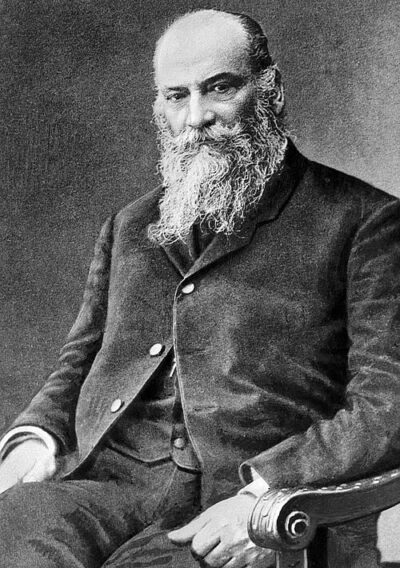
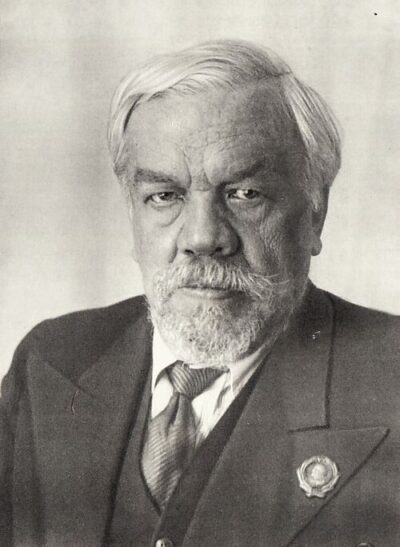
- Sergey Chaplygin; Nikolay Zhukovsky
- Wikipedias with a page
- 9
Wikidata item Q1154278 (wikidata.org/wiki/Q1154278), public domain (CC0). Copied 2026-11-17.
What Wikipedia says · copied November 17, 2026 · revision 1313132512
The Kutta condition is a principle in steady-flow fluid dynamics, especially aerodynamics, that is applicable to solid bodies with sharp corners, such as the trailing edges of airfoils. It is named for German mathematician and aerodynamicist Martin Kutta. Kuethe and Schetzer state the Kutta condition as follows:A body with a sharp trailing edge which is moving through a fluid will create about itself a circulation of sufficient strength to hold the rear stagnation point at the trailing edge.
In fluid flow around a body with a sharp corner, the Kutta condition refers to the flow pattern in which fluid approaches the corner from above and below, meets at the corner, and then flows away from the body. None of the fluid flows around the sharp corner. The Kutta condition is significant when using the Kutta–Joukowski theorem to calculate the lift created by an airfoil with a sharp trailing edge. The value of circulation of the flow around the airfoil must be that value which would cause the Kutta condition to exist.
From the Wikipedia article “Kutta condition” (en.wikipedia.org/wiki/Kutta_condition), by its contributors, under CC BY-SA 4.0 (creativecommons.org/licenses/by-sa/4.0/). Copied 2026-11-17; not changed.
Confirmed Two sources agree. Cited One source, and it names where it got it. One source One source, without a reference of its own. Sources disagree The sources disagree. We show the best-supported value and keep theirs below.