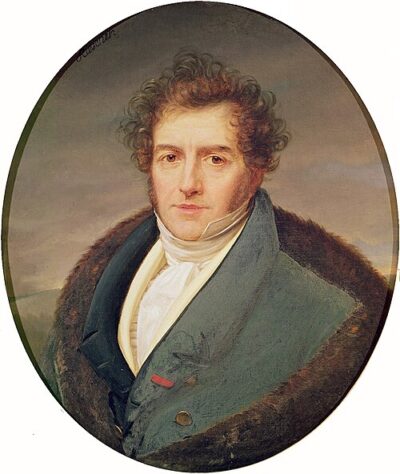
La dame blanche
La dame blanche is an opéra comique by François-Adrien Boieldieu.
- Released
- 19th century
- Genre
- opéra comique
All 6 facts, and where they come from
Facts
6 facts · 0 confirmed by two sources · 2 cited · 4 from one source
Where this comes from
Papalocal keeps its own record. It started from these sources; what each one said is kept here as it was copied, so a change on their side never changes this page by itself. Tap one to read its version.
What Wikidata says · copied November 17, 2026 · revision 2545483113
- Described as
- opéra comique by François-Adrien Boieldieu
- What it is
- dramatico-musical work
- Music by
- François Adrien Boieldieu · 1 reference
- Genre
- opéra comique; opera · 1 reference
- Released
- 19th century
- Language
- French
- Wikipedias with a page
- 12
Wikidata item Q973780 (wikidata.org/wiki/Q973780), public domain (CC0). Copied 2026-11-17.
What Wikipedia says · copied November 17, 2026 · revision 1378263100
La dame blanche (French pronunciation: [la dam blɑ̃ʃ], The White Lady) is an opéra comique in three acts by the French composer François-Adrien Boieldieu. The libretto was written by Eugène Scribe and is based on episodes from no fewer than five works of the Scottish writer Sir Walter Scott, including his novels Guy Mannering (1815), The Monastery (1820), and The Abbot (1820). The opera has typical elements of the Romantic in its Gothic mode, including an exotic Scottish locale, a lost heir, a mysterious castle, a hidden fortune, and a ghost, in this case benevolent. The work was one of the first attempts to introduce the fantastic into opera and is a model for works such as Giacomo Meyerbeer's Robert le diable (1831) and Charles Gounod's Faust (1859). The opera's musical style also heavily influenced later operas like Lucia di Lammermoor, I puritani and La jolie fille de Perth.
From the Wikipedia article “La dame blanche” (en.wikipedia.org/wiki/La_dame_blanche), by its contributors, under CC BY-SA 4.0 (creativecommons.org/licenses/by-sa/4.0/). Copied 2026-11-17; not changed.
Confirmed Two sources agree. Cited One source, and it names where it got it. One source One source, without a reference of its own. Sources disagree The sources disagree. We show the best-supported value and keep theirs below.
Picture: Wikimedia Commons: Dame blanche opéra.jpg · See Commons file page