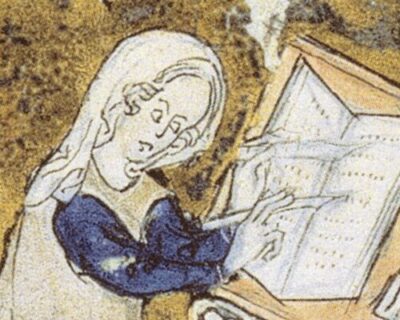
Lais of Marie de France
Lais of Marie de France is a series of twelve short narrative Breton lais by the poet Marie de France.
- Published
- 12th century
- Written by
- Marie de France
- Genre
- Breton lai
- Country of origin
- France
All 6 facts, and where they come from
Facts
6 facts · 0 confirmed by two sources · 0 cited · 6 from one source
Where this comes from
Papalocal keeps its own record. It started from these sources; what each one said is kept here as it was copied, so a change on their side never changes this page by itself. Tap one to read its version.
What Wikidata says · copied November 17, 2026 · revision 2567310776
- Described as
- series of twelve short narrative Breton lais by the poet Marie de France
- Other names
- Lays of Marie de France
- What it is
- literary work
- Written by
- Marie de France
- Genre
- Breton lai
- Published
- 12th century
- Language
- Old French
- Country of origin
- France · 1 reference
- Wikipedias with a page
- 15
Wikidata item Q2594423 (wikidata.org/wiki/Q2594423), public domain (CC0). Copied 2026-11-17.
What Wikipedia says · copied November 17, 2026 · revision 1383913198
The lais of Marie de France are a series of twelve short narrative Breton lais by the poet Marie de France. They are written in Anglo-Norman and were probably composed in the late 12th century, most likely between 1155–1170. The short, narrative poems generally focus on glorifying the concept of courtly love by the adventures of their main characters. Marie's lais are thought to form the basis for what would eventually become the genre known as the Breton lais. Despite her stature in Anglo-Norman literature and medieval French literature generally, little is known of Marie herself, but it is thought that she was born in France and wrote in England.
From the Wikipedia article “Lais of Marie de France” (en.wikipedia.org/wiki/Lais_of_Marie_de_France), by its contributors, under CC BY-SA 4.0 (creativecommons.org/licenses/by-sa/4.0/). Copied 2026-11-17; not changed.
Confirmed Two sources agree. Cited One source, and it names where it got it. One source One source, without a reference of its own. Sources disagree The sources disagree. We show the best-supported value and keep theirs below.
Picture: Wikimedia Commons: Yonec manuscript.jpg · See Commons file page