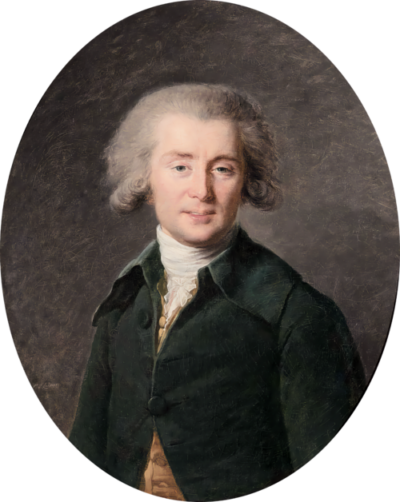
L'amant jaloux
L'amant jaloux is an opera by André-Ernest-Modeste Grétry. It came out in 1778.
- Released
- 1778
- Genre
- opera
All 5 facts, and where they come from
Facts
5 facts · 0 confirmed by two sources · 0 cited · 5 from one source
Where this comes from
Papalocal keeps its own record. It started from these sources; what each one said is kept here as it was copied, so a change on their side never changes this page by itself. Tap one to read its version.
What Wikidata says · copied November 17, 2026 · revision 2397392225
- Described as
- opera by André-Ernest-Modeste Grétry
- Other names
- L'amant jaloux, ou Les fausses apparences
- What it is
- dramatico-musical work
- Music by
- André Grétry
- Genre
- opera
- Released
- 1778
- Language
- French
- Wikipedias with a page
- 6
Wikidata item Q9018197 (wikidata.org/wiki/Q9018197), public domain (CC0). Copied 2026-11-17.
What Wikipedia says · copied November 17, 2026 · revision 1379764910
L'amant jaloux, ou Les fausses apparences (The Jealous Lover, or False Appearances) is a French comédie mêlée d'ariettes in three acts by André Grétry first performed at Versailles on 20 November 1778. The libretto is by the Irish playwright Thomas Hales (also known by the French name Thomas d'Hèle) with the verse passages provided by F. Levasseur. It was based on the play The Wonder: A Woman Keeps a Secret (1714) by Susannah Centlivre.
The most famous arias in the opera include O douce nuit, the tenor serenade Tandis que tout sommeille (While all are sleeping) (recorded by Roberto Alagna, amongst others) and the coloratura display piece Je romps la chaîne qui m'engage. The composer admitted the last named aria had no dramatic function, but he wanted to give his soprano star Marie-Jeanne Trial ("the finest voice ever formed by nature") "a chance to shine". The musicologist David Charlton claims Mozart and his librettist Lorenzo da Ponte knew Grétry's opera and were influenced by its ensembles when they wrote The Marriage of Figaro.
Grétry's score for L'amant jaloux includes mandolins. Philip J. Bone, historian of the mandolin, speculated that Grétry was exposed to the instrument while in Italy, and said "he makes use of it upon various occasions, in this instance with a telling and marked impression." This instance was the seranade Tandis que tout sommeille (While all are sleeping) in L'amant jaloux. Bone called the serenade "a delicate accompaniment for two mandolins".
Bampton Classical Opera performed the opera in English in 2012. The role of Isabelle was sung by the Australian soprano Martene Grimson.
The opera was performed by The Pinchgut Opera in December 2015, in the City Recital Hall, Sydney, Australia.
From the Wikipedia article “L'amant jaloux” (en.wikipedia.org/wiki/L'amant_jaloux), by its contributors, under CC BY-SA 4.0 (creativecommons.org/licenses/by-sa/4.0/). Copied 2026-11-17; not changed.
Confirmed Two sources agree. Cited One source, and it names where it got it. One source One source, without a reference of its own. Sources disagree The sources disagree. We show the best-supported value and keep theirs below.
Picture: Wikimedia Commons: Les Fausses Apparences, ou L'Amant jaloux – Grétry.png · See Commons file page