Lantmanna Party
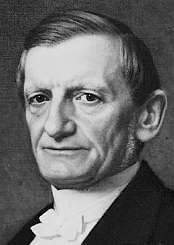
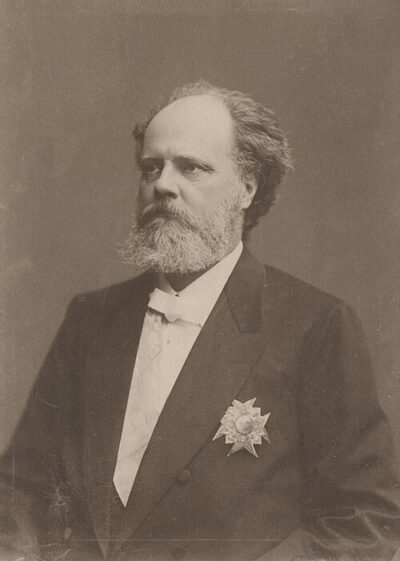
The Lantmanna Party is a political party in Sweden 1867–1912. It was founded by Carl Ifvarsson. Its headquarters are in Stockholm. It stands for agrarianism, conservatism and liberalism.
- Country
- Sweden
- Founded
- March 10, 1867
- Ideology
- agrarianism
All 9 facts, and where they come from
Facts
9 facts · 0 confirmed by two sources · 0 cited · 9 from one source
Where this comes from
Papalocal keeps its own record. It started from these sources; what each one said is kept here as it was copied, so a change on their side never changes this page by itself. Tap one to read its version.
What Wikidata says · copied November 17, 2026 · revision 2555631099
- Described as
- political party in Sweden 1867–1912
- Other names
- Lantmannapartiet, The Agrar Party
- What it is
- political party
- Founded
- March 10, 1867
- Ended
- 1912
- Founded by
- Carl Ifvarsson · 1 reference
- Headquarters
- Stockholm · 1 reference
- Country
- Sweden
- Ideology
- agrarianism · 1 reference; conservatism · 1 reference; liberalism · 1 reference
- Wikipedias with a page
- 5
Wikidata item Q6487621 (wikidata.org/wiki/Q6487621), public domain (CC0). Copied 2026-11-17.
What Wikipedia says · copied November 17, 2026 · revision 1310025353
Lantmanna Party (Swedish: Lantmannapartiet, lit. 'Party of the Rural People') was a political party in Sweden during the late 19th century, essentially a faction in the parliament which existed from 1867 to 1912 (though split in two 1888–1895). The Lantmanna Party was founded in 1867, following the representation reform of 1866 which had replaced the old Riksdag of the Estates with the modern Riksdag, assembled for the first time in early 1867. It was represented in the second chamber (Andra kammaren) of the parliament, which was directly elected.
The party originally did not have any clear political ideology but claimed to represent farmers and ordinary people, although it was never a real agrarian party. Many of its first members had been members of the last Estate of Peasants in the old Riksdag of the Estates while one of the informal leaders at the start was Count Arvid Posse. The party was also supported by the main Swedish newspaper at the time, Dagens Nyheter. Posse went on to become Prime Minister of Sweden from 1880 to 1883.
In 1888 the party was split in two parties over the issue on free trade contra protectionism; the free trade advocates founded the Old Lantmanna Party and the protectionists founded the New Lantmanna Party. In 1895 the two parties reunited under its old name. Erik Gustaf Boström of the Lantmanna Party (New Lantmanna Party during the split) was able to form a cabinet twice, as prime minister in 1891–1900 and again in 1902–1905.
By the turn of the century 1900, the party had evolved in an ideologically conservative way, much due to opposition against the liberals and the emerging social democrats. While the party had its base in the parliament and was formed solely by elected members of it, there was no organisation for election campaigns until 1904, when the Lantmanna Party formed the Allmänna valmansförbundet (General Elector Coalition) together with other right-wing fractions in the parliament. In 1912 the Lantmanna Party merged with another of the right-wing fractions of the parliament, the National Progress Party, to form the new Farmer and Bourgeoisie Party (Lantmanna- och borgarepartiet), which came to be known as the andrakammarshögern ('right-wing faction of the second chamber'). This and the Allmänna valmansförbundet eventually evolved into the present Moderate Party.
From the Wikipedia article “Lantmanna Party” (en.wikipedia.org/wiki/Lantmanna_Party), by its contributors, under CC BY-SA 4.0 (creativecommons.org/licenses/by-sa/4.0/). Copied 2026-11-17; not changed.
Confirmed Two sources agree. Cited One source, and it names where it got it. One source One source, without a reference of its own. Sources disagree The sources disagree. We show the best-supported value and keep theirs below.