lawspeaker
Lawspeaker is a Scandinavian legal office.
All 2 facts, and where they come from
Facts
2 facts · 0 confirmed by two sources · 0 cited · 2 from one source
Where this comes from
Papalocal keeps its own record. It started from these sources; what each one said is kept here as it was copied, so a change on their side never changes this page by itself. Tap one to read its version.
What Wikidata says · copied November 17, 2026 · revision 2569526162
- Described as
- Scandinavian legal office
- Other names
- lawman
- What it is
- historical profession; position
- Wikipedias with a page
- 22
Wikidata item Q1466992 (wikidata.org/wiki/Q1466992), public domain (CC0). Copied 2026-11-17.
What Wikipedia says · copied November 17, 2026 · revision 1339808990
A lawspeaker or lawman (Swedish: lagman, Old Swedish: laghmaþer or laghman, Danish: lovsigemand, Norwegian: lagmann, Icelandic: lög(sögu)maður [ˈlœɣ(ˌsœːɣʏ)ˌmaːðʏr̥], Faroese: løgmaður, Finnish: laamanni, Greenlandic: inatsitinuk) is a unique Scandinavian legal office. It has its basis in a common Germanic oral tradition, where wise people were asked to recite the law, but it was only in Scandinavia that the function evolved into an office. At first, lawspeakers represented the people, and their duties and authority were connected to the assemblies (things). For most of the last thousand years, however, they were part of the king's administration.
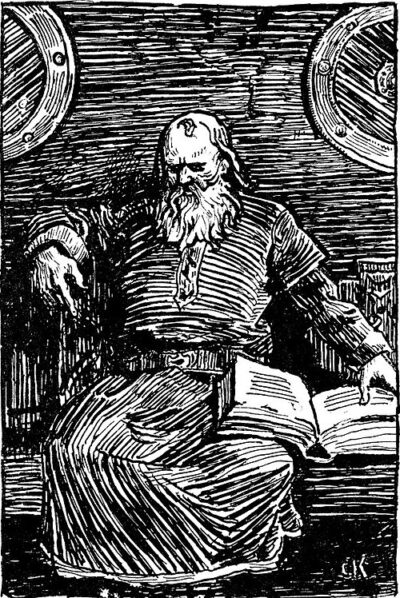
Snorri Sturluson (1179–1241) of Iceland was a famous lawspeaker. He wrote about an 11th-century lawspeaker named Torgny, but historians doubt the account.
From the Wikipedia article “Lawspeaker” (en.wikipedia.org/wiki/Lawspeaker), by its contributors, under CC BY-SA 4.0 (creativecommons.org/licenses/by-sa/4.0/). Copied 2026-11-17; not changed.
Confirmed Two sources agree. Cited One source, and it names where it got it. One source One source, without a reference of its own. Sources disagree The sources disagree. We show the best-supported value and keep theirs below.