Le Jour Se Lève
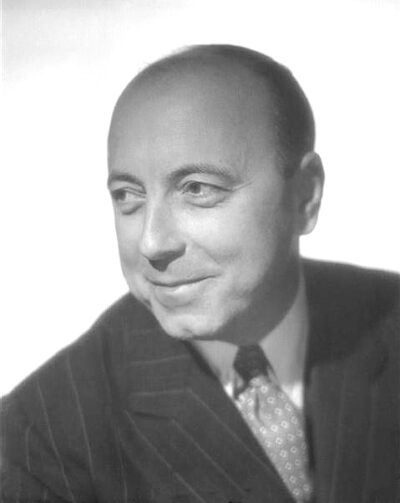
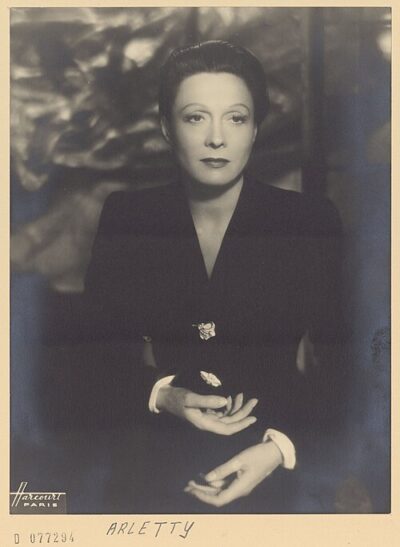
Le Jour Se Lève is a 1939 film by Marcel Carné. It stars Jean Gabin, Jules Berry and Arletty.
- Released
- June 9, 1939
- Directed by
- Marcel Carné
- Genre
- drama film
- Country of origin
- France
All 21 facts, and where they come from
Facts
21 facts · 0 confirmed by two sources · 8 cited · 13 from one source
Where this comes from
Papalocal keeps its own record. It started from these sources; what each one said is kept here as it was copied, so a change on their side never changes this page by itself. Tap one to read its version.
What Wikidata says · copied November 17, 2026 · revision 2561937225
- Described as
- 1939 film by Marcel Carné
- Other names
- Jour Se Lève, Le jour se lève, Le Jour Se Leve, Jour Se Leve, Daybreak
- What it is
- film
- Directed by
- Marcel Carné · 2 references
- Music by
- Maurice Jaubert
- Screenplay by
- Jacques Prévert
- Starring
- Jean Gabin · 1 reference; Jules Berry · 1 reference; Arletty · 1 reference; Jacqueline Laurent; Bernard Blier; Albert Malbert; André Nicolle; Annie Cariel; Arthur Devère; Gabrielle Fontan
- Genre
- drama film · 1 reference; romance film · 2 references; crime film · 1 reference; flashback film
- Released
- June 9, 1939 · 1 reference
- Original language
- French
- Country of origin
- France
- Wikipedias with a page
- 27
Wikidata item Q1197293 (wikidata.org/wiki/Q1197293), public domain (CC0). Copied 2026-11-17.
What Wikipedia says · copied November 17, 2026 · revision 1384262139
Le jour se lève ([lə ʒuʁ sə lɛv], "The day rises"; also known as Daybreak) is a 1939 French film directed by Marcel Carné and written by Jacques Prévert, based on a story by Jacques Viot. It is considered one of the principal examples of the French film movement known as poetic realism.
An original feature of the film is its structure, a long flashback, a procedure that was rarely used at the time—and this two years before the release of Orson Welles' Citizen Kane. The set for the bedroom, built by Alexandre Trauner, includes all four sides of the room (rather than the usual three) to allow circular shots and emphasise the sense of confinement.
In 1952, it was included in the first British Film Institute's Sight & Sound top ten Greatest Films of All Time list.
From the Wikipedia article “Le jour se lève” (en.wikipedia.org/wiki/Le_jour_se_lève), by its contributors, under CC BY-SA 4.0 (creativecommons.org/licenses/by-sa/4.0/). Copied 2026-11-17; not changed.
Confirmed Two sources agree. Cited One source, and it names where it got it. One source One source, without a reference of its own. Sources disagree The sources disagree. We show the best-supported value and keep theirs below.
Picture: Wikimedia Commons: Jean Gabin in Le jour se lève (1939) (6322616711).jpg · See Commons file page