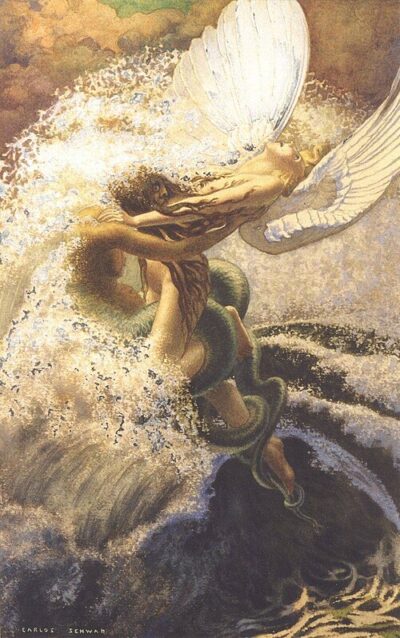
Le Spleen de Paris
Le Spleen de Paris is a collection of prose poems by Charles Baudelaire. It came out in 1869.
- Published
- 1869
- Written by
- Charles Baudelaire
All 5 facts, and where they come from
Facts
5 facts · 0 confirmed by two sources · 0 cited · 5 from one source
Where this comes from
Papalocal keeps its own record. It started from these sources; what each one said is kept here as it was copied, so a change on their side never changes this page by itself. Tap one to read its version.
What Wikidata says · copied November 17, 2026 · revision 2559345113
- Described as
- collection of prose poems by Charles Baudelaire
- Other names
- Paris Spleen, Baudelaire, Charles, 1821-1867. Parisian prowler, Baudelaire, Charles, 1821-1867. <<Le>> spleen de Paris
- What it is
- literary work
- Written by
- Charles Baudelaire
- Publisher
- Eldonejo Koko
- Published
- 1869
- Language
- French
- Wikipedias with a page
- 15
Wikidata item Q2250614 (wikidata.org/wiki/Q2250614), public domain (CC0). Copied 2026-11-17.
What Wikipedia says · copied November 17, 2026 · revision 1372145329
Le Spleen de Paris (Paris Spleen), also known as Petits Poèmes en prose (Little Poems in Prose), is a collection of 50 short prose poems by Charles Baudelaire. The collection was published posthumously in 1869 and is associated with literary modernism.
Baudelaire mentions he had read Aloysius Bertrand's Gaspard de la nuit (considered the first example of prose poetry) at least twenty times before starting this work. Though inspired by Bertrand, Baudelaire's prose poems were based on Parisian contemporary life instead of the medieval background which Bertrand employed. He said of his work: "These are the flowers of evil again, but with more freedom, much more detail, and much more mockery." Indeed, many of the themes and even titles from Baudelaire's earlier collection Les Fleurs du mal are revisited in this work.
These poems have no particular order, have no beginning and no end, and can be read like thoughts or short stories in a stream of consciousness style.
Published twenty years after the fratricidal June Days that ended the ideal or "brotherly" revolution of 1848, Baudelaire makes no attempts at trying to reform society he has grown up in but realizes the inequities of the progressing modernization of Paris. In poems such as "The Eyes of the Poor" where he writes (after witnessing an impoverished family looking in on a new cafe): "Not only was I moved by that family of eyes, but I felt a little ashamed of our glasses and decanters, larger than our thirst...", showing his feelings of despair and class guilt.
The title of the work refers not to the abdominal organ (the spleen) but rather to the second, more literary meaning of the word, "melancholy with no apparent cause, characterised by a disgust with everything".
From the Wikipedia article “Le Spleen de Paris” (en.wikipedia.org/wiki/Le_Spleen_de_Paris), by its contributors, under CC BY-SA 4.0 (creativecommons.org/licenses/by-sa/4.0/). Copied 2026-11-17; not changed.
Confirmed Two sources agree. Cited One source, and it names where it got it. One source One source, without a reference of its own. Sources disagree The sources disagree. We show the best-supported value and keep theirs below.
Picture: Carlos Schwabe, via Wikimedia Commons · Public domain