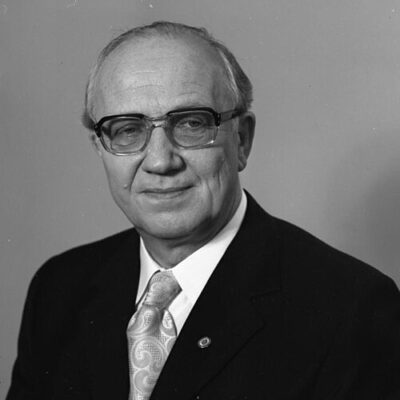
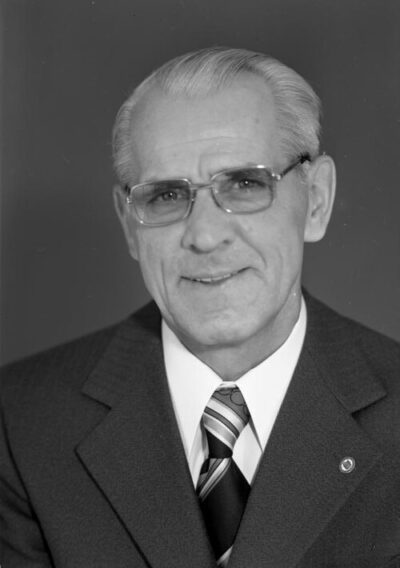
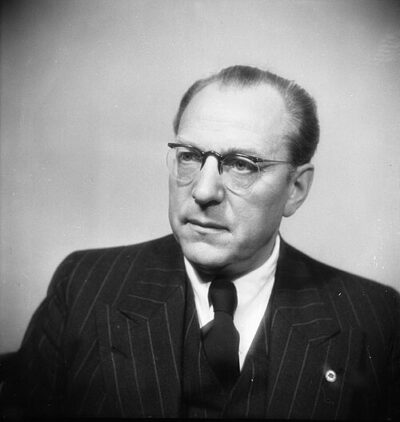
leadership of East Germany
Leadership of East Germany is a position. It was created in 1949.
- Office of
- East Germany
- Country
- East Germany
- Created
- October 7, 1949
All 4 facts, and where they come from
Facts
4 facts · 0 confirmed by two sources · 0 cited · 4 from one source
Where this comes from
Papalocal keeps its own record. It started from these sources; what each one said is kept here as it was copied, so a change on their side never changes this page by itself. Tap one to read its version.
What Wikidata says · copied November 17, 2026 · revision 2513851818
- What it is
- position
- Created
- October 7, 1949
- Country
- East Germany
- Office of
- East Germany
- Wikipedias with a page
- 11
Wikidata item Q709293 (wikidata.org/wiki/Q709293), public domain (CC0). Copied 2026-11-17.
What Wikipedia says · copied November 17, 2026 · revision 1371936888
This is a list of political office-holders in East Germany. The political leadership of East Germany was distributed between several offices. However, until the Volkskammer removed a section in the East German constitution guaranteeing their monopoly on political power on 1 December 1989, the Socialist Unity Party of Germany (SED) held ultimate power and authority over state and government. Thus, the head of the SED's Politburo of the Central Committee was the de facto leader of the country.
From the Wikipedia article “List of political office-holders in East Germany” (en.wikipedia.org/wiki/List_of_political_office-holders_in_East_Germany), by its contributors, under CC BY-SA 4.0 (creativecommons.org/licenses/by-sa/4.0/). Copied 2026-11-17; not changed.
Confirmed Two sources agree. Cited One source, and it names where it got it. One source One source, without a reference of its own. Sources disagree The sources disagree. We show the best-supported value and keep theirs below.