Les Mille et Une Nuits
Les Mille et Une Nuits is a 1704 French and first European translation.
- Released
- 1704 (1704–1717)
All 6 facts, and where they come from
Facts
6 facts · 0 confirmed by two sources · 0 cited · 6 from one source
Where this comes from
Papalocal keeps its own record. It started from these sources; what each one said is kept here as it was copied, so a change on their side never changes this page by itself. Tap one to read its version.
What Wikidata says · copied November 17, 2026 · revision 2534528603
- Described as
- 1704 French and first European translation
- Other names
- The Thousand and One Nights, Les Mille et Une Nuits, trad. Galland, Les Mille et Une Nuit
- What it is
- version, edition or translation; anonymous work
- Publisher
- Marie Cochart; Le Normant
- Released
- 1704 (1704–1717); 1806
- Language
- French
- Wikipedias with a page
- 5
Wikidata item Q16384819 (wikidata.org/wiki/Q16384819), public domain (CC0). Copied 2026-11-17.
What Wikipedia says · copied November 17, 2026 · revision 1381505558
Les Mille et Une Nuits (French: [le mil e yn nɥi], lit. 'The Thousand and One Nights'), subtitled contes arabes traduits en français (lit. 'Arab stories translated into French') and published in 12 volumes between 1704 and 1717, was the first European version of The Thousand and One Nights tales.
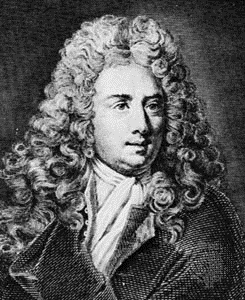
The French translation by Antoine Galland (1646–1715) derived from an Arabic text of the Syrian recension of the medieval work as well as from other sources. It included stories not found in the original Arabic manuscripts — the so-called "orphan tales" — such as the famous "Aladdin" and "Ali Baba and the Forty Thieves", which first appeared in print in Galland's collection. Literary scholars Ruth B. Bottigheimer and Paulo Lemos Horta have argued that Hanna Diyab should be understood as the original author of some of the orphan tales, and even that several of them, including Aladdin, were partly inspired by Diyab's own life.
Immensely popular at the time of initial publication by the house of the late Claude Barbin,
and enormously influential later, Galland's published tales were supplemented by subsequent volumes, introduced using Galland's name - although some stories were produced by others at the behest of a publisher wanting to capitalize on the popularity of Galland's work.
From the Wikipedia article “Les Mille et Une Nuits” (en.wikipedia.org/wiki/Les_Mille_et_Une_Nuits), by its contributors, under CC BY-SA 4.0 (creativecommons.org/licenses/by-sa/4.0/). Copied 2026-11-17; not changed.
Confirmed Two sources agree. Cited One source, and it names where it got it. One source One source, without a reference of its own. Sources disagree The sources disagree. We show the best-supported value and keep theirs below.
Picture: Wikimedia Commons: Contes arabes-1-1790-0004.jpg · See Commons file page