Les Paradis artificiels
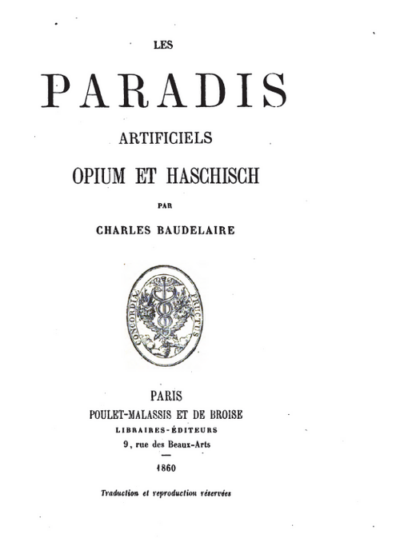
Les Paradis artificiels is a 1860 essay by Charles Baudelaire.
- Published
- 1860
- Written by
- Charles Baudelaire
- Genre
- poetry
- Country of origin
- France
All 8 facts, and where they come from
Facts
8 facts · 0 confirmed by two sources · 0 cited · 8 from one source
Where this comes from
Papalocal keeps its own record. It started from these sources; what each one said is kept here as it was copied, so a change on their side never changes this page by itself. Tap one to read its version.
What Wikidata says · copied November 17, 2026 · revision 2555883030
- Described as
- 1860 essay by Charles Baudelaire
- Other names
- Artificial Paradises
- What it is
- literary work
- Written by
- Charles Baudelaire
- Publisher
- Auguste Poulet-Malassis
- Genre
- poetry; essay
- Published
- 1860
- Language
- French
- Country of origin
- France · 1 reference
- Wikipedias with a page
- 12
Wikidata item Q2249082 (wikidata.org/wiki/Q2249082), public domain (CC0). Copied 2026-11-17.
What Wikipedia says · copied November 17, 2026 · revision 1384231636
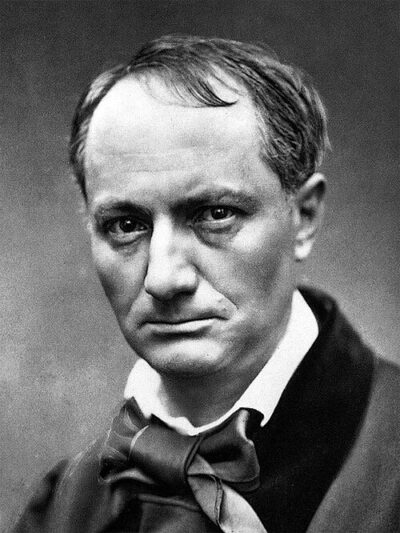
Les Paradis Artificiels (English: Artificial Paradises) is a book by French poet Charles Baudelaire, first published in 1860, about the state of being under the influence of opium and hashish. Baudelaire describes the effects of the drugs and discusses the way in which they could theoretically aid mankind in reaching an ideal world. The text was influenced by Thomas De Quincey's Confessions of an English Opium-Eater and Suspiria de Profundis. His longtime friend and colleague Gautier also wrote reminiscences about his experiences at the Club de Hashischins, held for a time at the Hotel Pîmodan, which is where he and Baudelaire first became acquainted.
Baudelaire analyzes the motivation of the addict, and the individual psychedelic experience of the user.
From the Wikipedia article “Les Paradis artificiels” (en.wikipedia.org/wiki/Les_Paradis_artificiels), by its contributors, under CC BY-SA 4.0 (creativecommons.org/licenses/by-sa/4.0/). Copied 2026-11-17; not changed.
Confirmed Two sources agree. Cited One source, and it names where it got it. One source One source, without a reference of its own. Sources disagree The sources disagree. We show the best-supported value and keep theirs below.
Picture: User:Yuri_Che, via Wikimedia Commons · Public domain