Let the Hurricane Roar
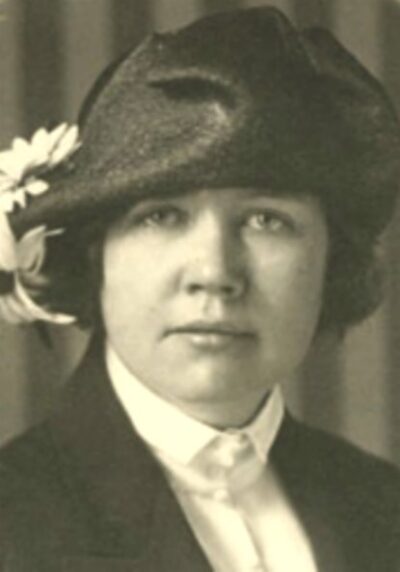
Let the Hurricane Roar is an American novel serialized 1932, incorporating elements of Laura Ingalls Wilder's childhood. It came out in 1933. It was written by Rose Wilder Lane.
- Published
- 1933
- Written by
- Rose Wilder Lane
- Genre
- Western novel
- Country of origin
- United States
All 10 facts, and where they come from
Facts
10 facts · 0 confirmed by two sources · 0 cited · 10 from one source
Where this comes from
Papalocal keeps its own record. It started from these sources; what each one said is kept here as it was copied, so a change on their side never changes this page by itself. Tap one to read its version.
What Wikidata says · copied November 17, 2026 · revision 2485759420
- Described as
- American novel serialized 1932, incorporating elements of Laura Ingalls Wilder's childhood
- Other names
- Young Pioneers (reissue 1976)
- What it is
- literary work
- Written by
- Rose Wilder Lane
- Publisher
- Longman; The Saturday Evening Post
- Genre
- Western novel; historical fiction; young adult fiction
- Published
- 1933
- Language
- English
- Country of origin
- United States
- Wikipedias with a page
- 1
Wikidata item Q8058368 (wikidata.org/wiki/Q8058368), public domain (CC0). Copied 2026-11-17.
What Wikipedia says · copied November 17, 2026 · revision 1384331245
Let the Hurricane Roar, reissued as Young Pioneers starting from 1976, is a short novel by Rose Wilder Lane that incorporates elements of the childhood of her mother Laura Ingalls Wilder. It was published in The Saturday Evening Post as a serial in 1932 and by Longmans as a book early in 1933, not long after Little House in the Big Woods (1932), the first volume of her mother's Little House series.
During the 1970s the novel was adapted as a TV series, The Young Pioneers, and as two TV movies, Young Pioneers and Young Pioneers' Christmas.
From the Wikipedia article “Young Pioneers (novel)” (en.wikipedia.org/wiki/Young_Pioneers_(novel)), by its contributors, under CC BY-SA 4.0 (creativecommons.org/licenses/by-sa/4.0/). Copied 2026-11-17; not changed.
Confirmed Two sources agree. Cited One source, and it names where it got it. One source One source, without a reference of its own. Sources disagree The sources disagree. We show the best-supported value and keep theirs below.