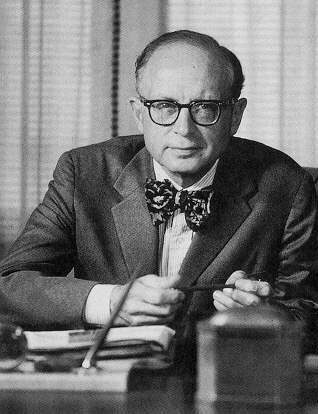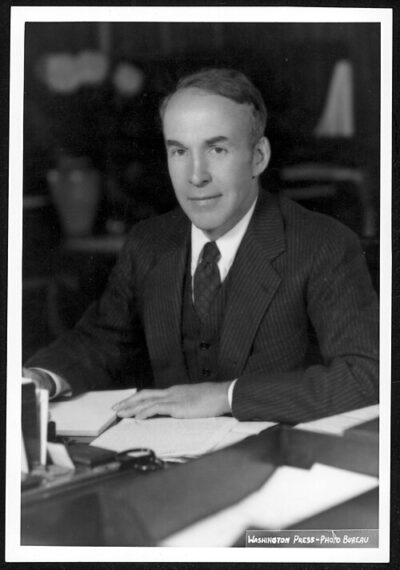
Librarian of Congress
The Librarian of Congress is a head of the Library of Congress. It was created in 1800. It is an office of the United States.
- Office of
- United States
- Country
- United States
- Created
- April 24, 1800
All 6 facts, and where they come from
Facts
6 facts · 0 confirmed by two sources · 0 cited · 6 from one source
Where this comes from
Papalocal keeps its own record. It started from these sources; what each one said is kept here as it was copied, so a change on their side never changes this page by itself. Tap one to read its version.
What Wikidata says · copied November 17, 2026 · revision 2487200669
- Described as
- head of the Library of Congress
- What it is
- position
- Created
- April 24, 1800
- Located in
- Washington, D.C.
- Country
- United States
- Office of
- United States
- Official website
- https://www.loc.gov/about/about-the-librarian/
- Wikipedias with a page
- 9
Wikidata item Q6542448 (wikidata.org/wiki/Q6542448), public domain (CC0). Copied 2026-11-17.
What Wikipedia says · copied November 17, 2026 · revision 1373725040
The librarian of Congress is the head of the Library of Congress, appointed by the president of the United States with the advice and consent of the United States Senate, for a term of ten years. The librarian of Congress also appoints and oversees the register of copyrights of the U.S. Copyright Office and has broad responsibilities around copyright, extending to electronic resources and fair use provisions outlined in the Digital Millennium Copyright Act. The librarian determines whether particular works are subject to DMCA prohibitions regarding technological access protection. In addition, the librarian appoints the U.S. poet laureate and awards the Gershwin Prize for Popular Song.
From the Wikipedia article “Librarian of Congress” (en.wikipedia.org/wiki/Librarian_of_Congress), by its contributors, under CC BY-SA 4.0 (creativecommons.org/licenses/by-sa/4.0/). Copied 2026-11-17; not changed.
Confirmed Two sources agree. Cited One source, and it names where it got it. One source One source, without a reference of its own. Sources disagree The sources disagree. We show the best-supported value and keep theirs below.
Picture: Unknown author, via Wikimedia Commons · Public domain