Lilacs
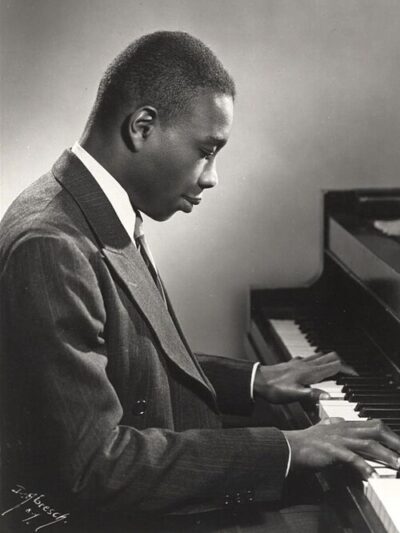
Lilacs is a Pulitzer Prize-winning piece for voice and orchestra by George T. Walker. It won the Pulitzer Prize for Music.
All 4 facts, and where they come from
Facts
4 facts · 0 confirmed by two sources · 4 cited · 0 from one source
Where this comes from
Papalocal keeps its own record. It started from these sources; what each one said is kept here as it was copied, so a change on their side never changes this page by itself. Tap one to read its version.
What Wikidata says · copied November 21, 2026 · revision 2571139645
- Described as
- Pulitzer Prize-winning piece for voice and orchestra by George T. Walker
- Other names
- Lilacs, for voice and orchestra
- What it is
- musical work/composition · 1 reference
- Music by
- George Walker · 1 reference
- Language
- English · 1 reference
- Awards
- Pulitzer Prize for Music (1996) · 1 reference
- Wikipedias with a page
- 1
Wikidata item Q16386690 (wikidata.org/wiki/Q16386690), public domain (CC0). Copied 2026-11-21.
What Wikipedia says · copied November 21, 2026 · revision 1378730840
Lilacs is a musical composition by George Walker that was awarded the 1996 Pulitzer Prize for Music. The work, scored for soprano soloist and orchestra, was the unanimous choice of the Pulitzer prize jury. Walker was the first African-American composer to be awarded the prize.
Walker set sections from Walt Whitman's 1865 poem "When Lilacs Last in the Dooryard Bloom'd". Whitman wrote the poem as an elegy to President Abraham Lincoln after his death on 15 April 1865. The composition was premiered by the Boston Symphony Orchestra, conducted by Seiji Ozawa, with Faye Robinson as the soloist on February 1, 1996. "The unanimous choice of the Music Jury, this passionate, and very American, musical composition...has a beautiful and evocative lyrical quality using words of Walt Whitman."
From the Wikipedia article “Lilacs (Walker)” (en.wikipedia.org/wiki/Lilacs_(Walker)), by its contributors, under CC BY-SA 4.0 (creativecommons.org/licenses/by-sa/4.0/). Copied 2026-11-21; not changed.
Confirmed Two sources agree. Cited One source, and it names where it got it. One source One source, without a reference of its own. Sources disagree The sources disagree. We show the best-supported value and keep theirs below.