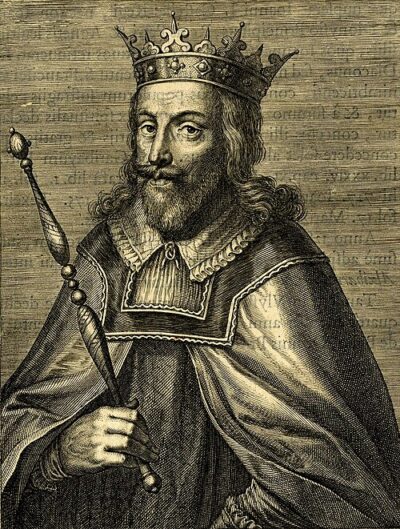
Livro da ensinança de bem cavalgar toda sela
Livro da ensinança de bem cavalgar toda sela is a work of Duarte I of Portugal. It was written by Edward I of Portugal.
- Written by
- Edward I of Portugal
- Genre
- treatise
All 6 facts, and where they come from
Facts
6 facts · 0 confirmed by two sources · 0 cited · 6 from one source
Where this comes from
Papalocal keeps its own record. It started from these sources; what each one said is kept here as it was copied, so a change on their side never changes this page by itself. Tap one to read its version.
What Wikidata says · copied November 17, 2026 · revision 2550195865
- Described as
- work of Duarte I of Portugal
- What it is
- treatise; literary work
- Written by
- Edward I of Portugal
- Genre
- treatise · 1 reference
- Language
- Galician–Portuguese
- Country
- Portugal
- Wikipedias with a page
- 7
Wikidata item Q3637913 (wikidata.org/wiki/Q3637913), public domain (CC0). Copied 2026-11-17.
What Wikipedia says · copied November 17, 2026 · revision 1363981304
Bem cavalgar, fully Livro da ensinança de bem cavalgar toda sela ("Book on the instruction of riding well on every saddle"), is a book written by Edward of Portugal, left incomplete as Edward died of a plague in 1438. It is one of the oldest remaining manuals of medieval horsemanship and jousting. Together with Leal Conselheiro, the other book written by King Edward, the manuscript is kept at the French National Library, Paris. It is the basis of the curriculum at the Portuguese School of Equestrian Art, one of the Big Four riding academies.
The book consists of three parts: "on will" (4 chapters), "on force" (2 chapters) and "fourteen recommendations for expert riders", breaking off in the seventh section.
From the Wikipedia article “Bem cavalgar” (en.wikipedia.org/wiki/Bem_cavalgar), by its contributors, under CC BY-SA 4.0 (creativecommons.org/licenses/by-sa/4.0/). Copied 2026-11-17; not changed.
Confirmed Two sources agree. Cited One source, and it names where it got it. One source One source, without a reference of its own. Sources disagree The sources disagree. We show the best-supported value and keep theirs below.