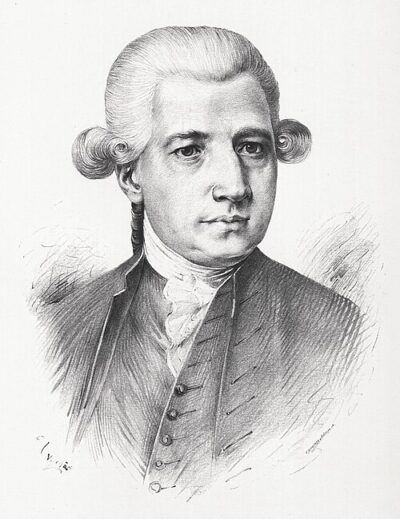
L'Olimpiade
L'Olimpiade is an opera by Josef Mysliveček.
- Genre
- opera seria
All 5 facts, and where they come from
Facts
5 facts · 0 confirmed by two sources · 0 cited · 5 from one source
Where this comes from
Papalocal keeps its own record. It started from these sources; what each one said is kept here as it was copied, so a change on their side never changes this page by itself. Tap one to read its version.
What Wikidata says · copied November 17, 2026 · revision 2563059410
- Described as
- opera by Josef Mysliveček
- What it is
- dramatico-musical work
- Music by
- Josef Mysliveček
- Genre
- opera seria
- Language
- Italian
- Based on
- L'Olimpiade
- Wikipedias with a page
- 4
Wikidata item Q3500247 (wikidata.org/wiki/Q3500247), public domain (CC0). Copied 2026-11-17.
What Wikipedia says · copied November 17, 2026 · revision 1364350348
L'Olimpiade is an 18th-century Italian opera in 3 acts by the Czech composer Josef Mysliveček. It was composed to a libretto by the Italian poet Metastasio that was first performed in Vienna in 1733 with music by Antonio Caldara. The text is famous for its depiction of a celebration of the Ancient Olympic Games. For a performance in the 1770s, it would only be expected that a libretto of such age would be abbreviated and altered to suit contemporary operatic taste; some of the original aria texts would be omitted or substituted, and the remaining aria texts would be set more expansively. In this case, only 14 of the original 18 aria texts of Metastasio were newly set to music. The cuts and changes in the text made for the 1778 performance of Mysliveček's opera are not attributable. This opera (and all the rest of Mysliveček's operas) belong to the serious type in Italian language referred to as opera seria that usually featured the designation dramma per musica in librettos.
From the Wikipedia article “L'Olimpiade (Mysliveček)” (en.wikipedia.org/wiki/L'Olimpiade_(Mysliveček)), by its contributors, under CC BY-SA 4.0 (creativecommons.org/licenses/by-sa/4.0/). Copied 2026-11-17; not changed.
Confirmed Two sources agree. Cited One source, and it names where it got it. One source One source, without a reference of its own. Sources disagree The sources disagree. We show the best-supported value and keep theirs below.