Lord High Steward of Ireland
Lord High Steward of Ireland is a position.
All 1 facts, and where they come from
Facts
1 facts · 0 confirmed by two sources · 0 cited · 1 from one source
Where this comes from
Papalocal keeps its own record. It started from these sources; what each one said is kept here as it was copied, so a change on their side never changes this page by itself. Tap one to read its version.
What Wikidata says · copied November 18, 2026 · revision 2569030131
- Described as
- position
- Other names
- Hereditary Great Seneschal
- What it is
- position
- Wikipedias with a page
- 2
Wikidata item Q506833 (wikidata.org/wiki/Q506833), public domain (CC0). Copied 2026-11-18.
What Wikipedia says · copied November 18, 2026 · revision 1373761515
The office of Lord High Steward of Ireland is a hereditary position of Great Officer of State in the United Kingdom. Currently held by the Earl of Shrewsbury, it is sometimes referred to as the Hereditary Great Seneschal. While most of Ireland achieved independence in 1922, the title retains its original naming and scope rather than adjusting to reflect Northern Ireland as the sole portion of the province of Ulster remaining within the United Kingdom.
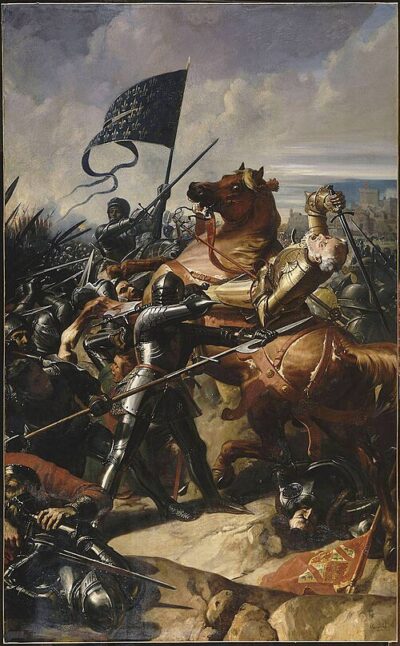
The title of Lord High Steward of Ireland was first bestowed in 1446 upon John Talbot, 1st Earl of Shrewsbury by way of letters patent from King Henry VI. He was named Earl of Waterford and granted the hereditary office of Lord High Steward, to be passed down through the male heirs of his line. The lineage has remained unbroken, and the current holder of the position is Charles Chetwynd-Talbot, 22nd Earl of Shrewsbury, tracing his right to the office directly back to that original royal charter over 570 years ago.
From the Wikipedia article “Lord High Steward of Ireland” (en.wikipedia.org/wiki/Lord_High_Steward_of_Ireland), by its contributors, under CC BY-SA 4.0 (creativecommons.org/licenses/by-sa/4.0/). Copied 2026-11-18; not changed.
Confirmed Two sources agree. Cited One source, and it names where it got it. One source One source, without a reference of its own. Sources disagree The sources disagree. We show the best-supported value and keep theirs below.