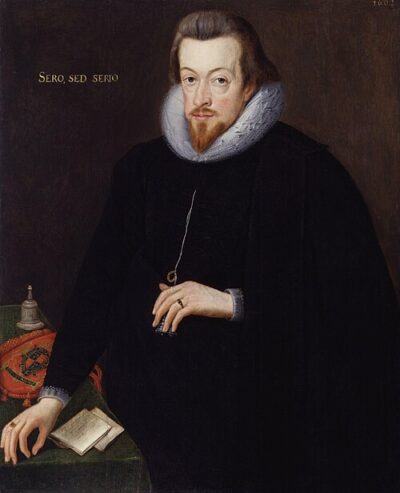
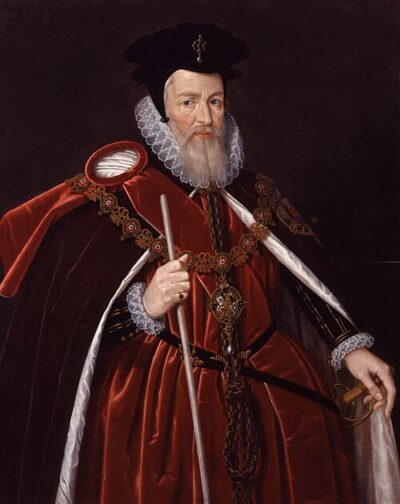
Lord High Treasurer
Lord High Treasurer is an English government position. It was created in 1158.
- Created
- 1158
All 2 facts, and where they come from
Facts
2 facts · 0 confirmed by two sources · 0 cited · 2 from one source
Where this comes from
Papalocal keeps its own record. It started from these sources; what each one said is kept here as it was copied, so a change on their side never changes this page by itself. Tap one to read its version.
What Wikidata says · copied November 17, 2026 · revision 2569288899
- Described as
- English government position
- Other names
- Lord Treasurer
- What it is
- position
- Created
- 1158
- Wikipedias with a page
- 16
Wikidata item Q944583 (wikidata.org/wiki/Q944583), public domain (CC0). Copied 2026-11-17.
What Wikipedia says · copied November 17, 2026 · revision 1373761522
The lord high treasurer (also referred to as lord treasurer and as lord high treasurer and treasurer of the exchequer) was an English government position and subsequently a British government position since the Acts of Union of 1707 between England and Scotland. A holder of the post would have been the third-highest-ranked Great Officer of State in England, below the lord high steward and the lord high chancellor of Great Britain.
The lord high treasurer functioned as the head of His Majesty's Treasury. The office has, since the resignation of Charles Talbot, 1st Duke of Shrewsbury in 1714, been vacant.
Although the United Kingdom of Great Britain and Ireland was created in 1801, it was not until the Consolidated Fund Act 1816 that the separate offices of lord high treasurer of Great Britain and lord high treasurer of Ireland were united into one office as the "lord high treasurer of the United Kingdom of Great Britain and Ireland" on 5 January 1817.
Section 2 of the Consolidated Fund Act 1816 also provides that "whenever there shall not be [a Lord High Treasurer of the United Kingdom of Great Britain and Ireland], it shall ... be lawful for His Majesty, by letters patent under the Great Seal of Great Britain, to appoint Commissioners for executing the Offices of Treasurer of the Exchequer of Great Britain and Lord High Treasurer of Ireland". These are the lords commissioners of the Treasury. In modern times, appointments of the Lords Commissioners of the Treasury were, by convention, given as sinecure positions to the prime minister of the United Kingdom, usually serving as the first lord of the Treasury, and the chancellor of the exchequer, serving as the second lord of the Treasury. Other members of the government, usually whips in the House of Commons, are similarly appointed to serve as the junior lords commissioners of the Treasury.
From the Wikipedia article “Lord High Treasurer” (en.wikipedia.org/wiki/Lord_High_Treasurer), by its contributors, under CC BY-SA 4.0 (creativecommons.org/licenses/by-sa/4.0/). Copied 2026-11-17; not changed.
Confirmed Two sources agree. Cited One source, and it names where it got it. One source One source, without a reference of its own. Sources disagree The sources disagree. We show the best-supported value and keep theirs below.